Understanding the Everest Base Camp Trek Distance
The trek distance to Everest Base Camp is critical information when it comes to planning your trip. It is useful in the evaluation of the difficulty of the trek, estimating the trekking time each day, and preparing the body physically to brave the high altitude hurdle. Distances are typically provided in kilometers as well as miles to be comfortable with understanding distances between point A and point Z.
Quick facts about the 14 Days Everest Base Camp Trek Distance.
- Total Distance: about 130 km (80 miles) round journey
- One Way Distance: About 65 km (40 miles) from Lukla to Everest Base Camp
- Duration: Usually spreads over 12-14 days, with acclimatization stops
- Major Location: Lukla, Namche Bazaar, Tengboche, Dingboche, Lobuche, Kala Patthar, and eventually to the popular Everest Base Camp.
The Distance of Kathmandu to Lukla (Airways vs. Road).
- By Airplane: The most convenient and typical means of transportation is a short flight of 30 to 35 minutes and about 138 km (86 miles) above the ground. This would be the most preferable choice to most of the trekkers on the virtue of the convenience and economy of time taken.
- By Land: Travelling to Lukla by land is not commonly done because the path is quite rough and lacks infrastructure. It is approximately 200 to 220 km (124 to 137 miles) and may consume 2 to 3 days with several stops.
Lukla to Everest Base Camp Trek Distance
The Trekking trail from Lukla to Everest Base Camp is around 65 km (40 miles) one way, depending on the trekking itinerary/acclimatization schedule. This distance consists not only of hills or valleys but also includes uphill and downhill, and other side trips to vantage points like Kala Patthar.
14 Days Everest Base Camp Trek Distance and Altitude Coverage
Trekking Trail Route | Distance | Duration | Altitude |
Lukla to Phakding | 6.2km (3.8 miles) | 3 to 4 hours | 2610m (8562ft.) |
Phakding to Namche Bazar | 7.4km (4.5 miles) | 5 to 6 hours | 3440m (11286ft.) |
Namche to Sagarmatha Museum | 1.1km (0.6 miles) | 1 to 2 hours | 3550m (11646ft.) |
Namche to Everest View Hotel | 1.5km (0.9 miles) | 3 to 4 hours | 3962m (12998ft.) |
Namche to Tengboche | 9.2km (5.7 miles) | 5 to 6 hours | 3810m (12500ft.) |
Tengboche to Dingboche | 9.1km (5.6 miles) | 4 to 5 hours | 4441m (14570ft.) |
Dingboche to Lobuche | 7.9km (4.9 miles) | 4 to 5 hours | 4910m (16108ft.) |
Lobuche to Gorak Shep | 4.1km (2.5 miles) | 3 to 4 hours | 5140m (16863ft.) |
Gorak Shep to Everest Base Camp | 3.5km (2 miles) | 3 to 4 hours | 5364m (17598ft.) |
Gorak Shep to Kala Patthar | 2.0km (1.2 miles) | 3 to 4 hours | 5644m (18517ft.) |
Gorak Shep to Pangboche | 14.6km (9 miles) | 6 to 7 hours | 3930m (12893ft.) |
Pangboche to Namche | 9.3km (5.7 miles) | 7 to 8 hours | 3440m (11286ft.) |
Namche to Lukla | 20 km (12 miles) | 7 to 8 hours | 2840m (9317ft.) |
14 Days Everest Base Camp Trek Distance (Day by Day)
Day 1: Trek from Lukla (2860m | 9383ft.) to Phakding (2610m | 8563ft.)
- Trek Distance: 8 km (4.97 miles)
- Trek Duration: 3 to 4 Hours
Your journey begins with a thrilling flight to Lukla (2860m), the gateway to the Khumbu region. From here, the trail gently descends through pine and rhododendron forests, passing mani walls and small Sherpa villages. The 8 km route takes about 3 to 4 hours and ends in Phakding (2610m), a riverside settlement. This easy first day allows you to stretch your legs and gradually adapt to the altitude.
Day 2: Trek from Phakding (2610m | 8563ft.) to Namche Bazaar (3440m | 11286ft.)
- Trek Distance: 10 km (6 miles)
- Trek Duration: 5 to 6 Hours
Today’s trek covers 10 km in about 5 to 6 hours, with a steady ascent of nearly 830 meters. The trail crosses several suspension bridges, including the iconic Hillary Bridge draped in prayer flags, while following the roaring Dudh Koshi River. The last 2 hours involve a steep climb before reaching Namche Bazaar (3,440 m), the bustling trading hub of the Khumbu.
Day 3: Namche Bazaar (Acclimatization Hike)
- Trek Distance: 5 km (3 miles)
- Trek Duration: 3 to 4 Hours
Acclimatization is crucial to avoid altitude sickness. A short 5 km hike (3 to 4 hours) takes you to the Everest View Hotel (3870m | 12696ft.), offering stunning panoramas of Everest, Ama Dablam, and Thamserku. After returning, you can explore Namche’s market, the Sherpa Culture Museum, or enjoy a rest day in the Himalayan amphitheater.
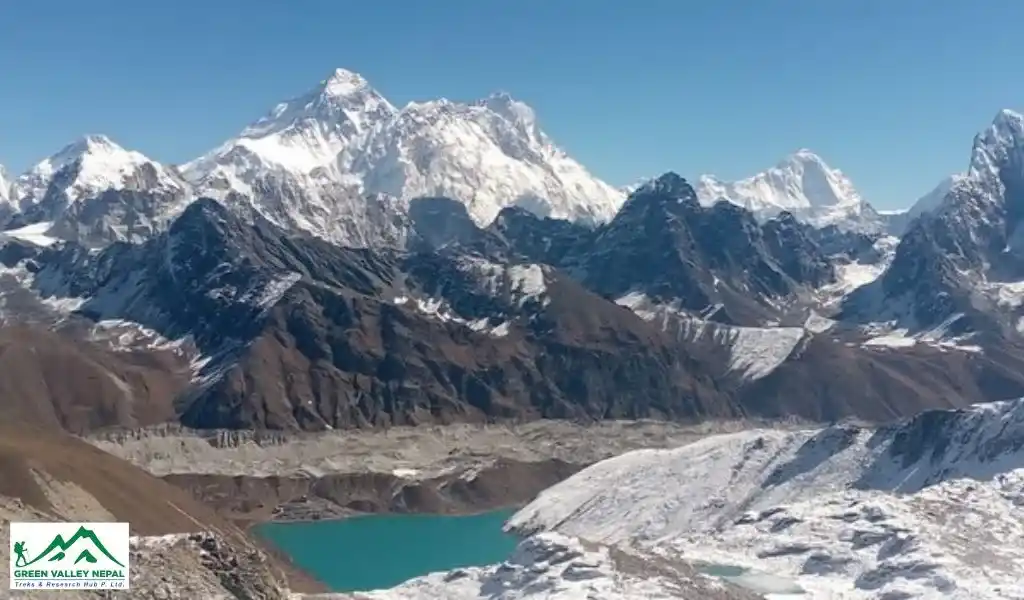
Day 4: Trek from Namche Bazaar (3440m | 11286ft.) to Tengboche (3867m | 12687ft.)
- Trek Distance: 9 km (6 miles)
- Trek Duration: 5 to 6 Hours
This 9 km trail takes 5 to 6 hours, beginning with a gentle walk across ridges with breathtaking mountain views. After descending to Phunki Tenga, the path climbs steeply through rhododendron and fir forests to Tengboche (3867 m). Here stands the famous Tengboche Monastery, the largest in the Khumbu, offering a serene setting for evening prayers against the backdrop of Ama Dablam.
Day 5: Trek from Tengboche (3867m | 12687ft.) to Dingboche (4360m | 14305ft.)
- Trek Distance: 11 km (7 miles)
- Trek Duration: 5 to 6 Hours
The 11 km route to Dingboche takes 5 to 6 hours, gradually climbing through Pangboche village and across the Imja Khola River. The trail opens up to high-altitude meadows with jaw-dropping views of Ama Dablam, Lhotse, and Island Peak. At 4,360 m, Dingboche is surrounded by stone-walled fields, marking your entry into alpine terrain.
Day 6: Dingboche (Acclimatization Hike)
- Trek Distance: 6 km (4 miles)
- Trek Duration: 3 to 4 Hours
Another acclimatization day with an optional 6 km hike to Nangkartshang Peak (5083m | 16677ft.). The steep 3 to 4 hour climb rewards trekkers with panoramic views of Makalu, Ama Dablam, and the Imja Valley. Returning to Dingboche ensures you sleep low while your body adjusts to higher altitudes.
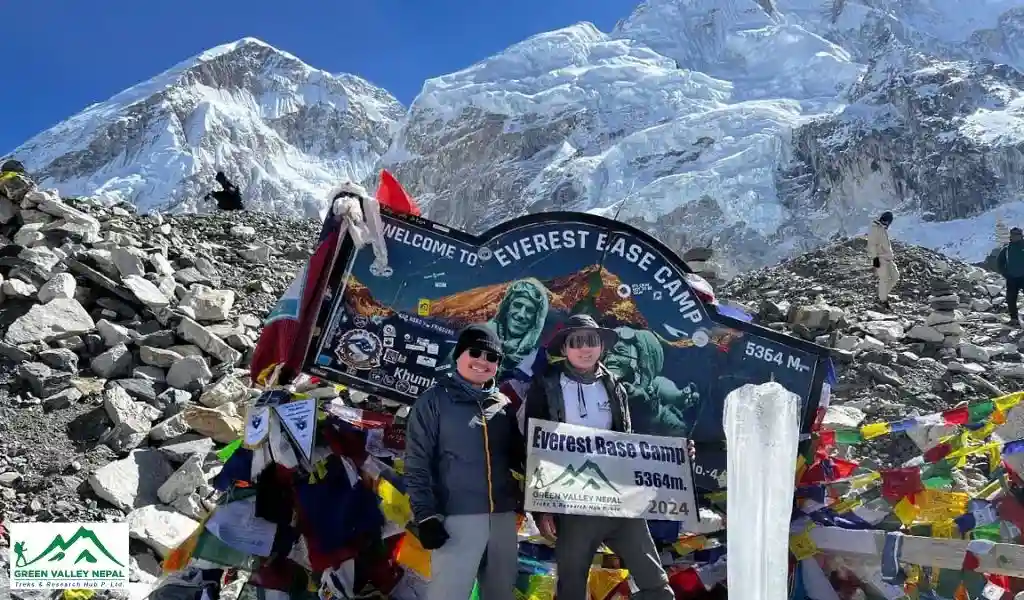
Day 7: Trek from Dingboche (4360m | 14305ft.) to Lobuche (4940m | 16207ft.)
- Trek Distance: 10 km (6 miles)
- Trek Duration: 5 to 6 Hours
Today’s 10 km trek takes 5 to 6 hours, following a gradual ascent through rocky trails. The route passes Thukla Pass, where memorials honor climbers who lost their lives on Everest. The landscape becomes increasingly rugged as you approach Lobuche (4,940 m), with icy winds and glaciers nearby.
Day 8: Trek from Lobuche (4940m | 16207ft.) to Gorak Shep (5164m | 16942ft.)
- Trek Distance: 8 km (5 miles)
- Trek Duration: 3 to 4 Hours
Though just 8 km long, this 3 to 4 hour trek feels challenging due to altitude. The path follows the Khumbu Glacier’s edge, leading to Gorak Shep (5,164 m), the last settlement before Everest Base Camp. Rest here to prepare for tomorrow’s big adventure.
Day 9: Trek from Gorak Shep (5164m | 16942ft.) to Everest Base Camp (5364m | 17598ft.) and Back
- Trek Distance: 13 km (8 miles)
- Trek Duration: 7 to 8 Hours
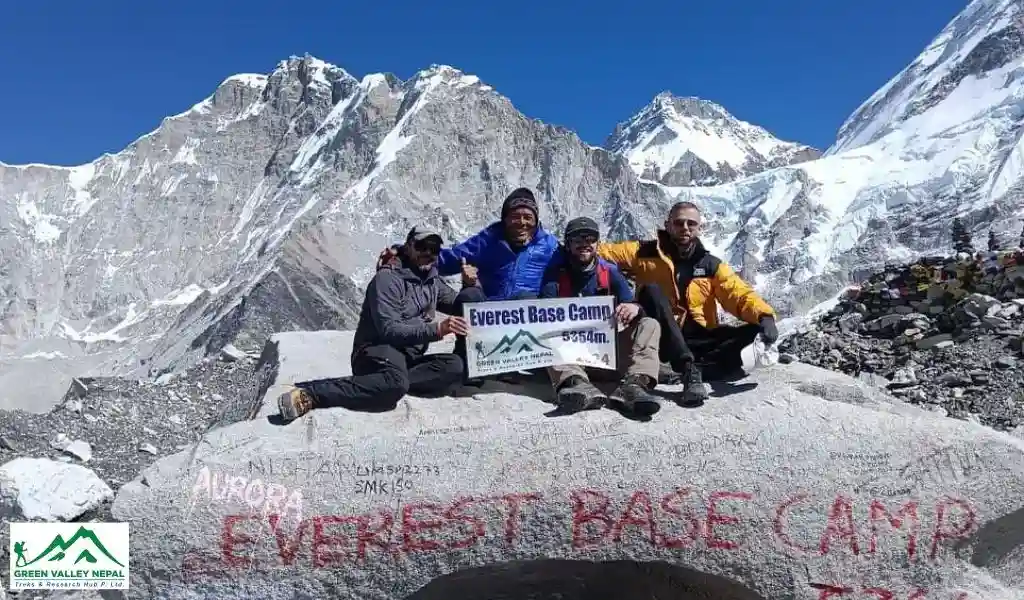
This is the most-awaited day of the trek. Covering 13 km in 7 to 8 hours, you will hike along the rugged Khumbu Glacier to Everest Base Camp (5,364 m). Standing at the base of the world’s tallest peak is a dream come true for trekkers. After taking photos and soaking in the achievement, you return to Gorak Shep for the night.
Day 10: Hike from Gorak Shep (5164m | 16942ft.) to Kala Patthar (5545m | 18192ft.), then Pangboche (3985m | 13074ft.)
- Trek Distance: 14 km (9 miles)
- Trek Duration: 7 to 8 Hours
Start early with a steep climb to Kala Patthar (5,545 m), the highest point of the trek, to catch the sunrise over Everest, Nuptse, and Lhotse. After this unforgettable view, descend past Gorak Shep and continue a long descent to Pangboche (3,985 m), covering 14 km in about 7–8 hours.
Day 11: Trek from Pangboche (3985m | 13074ft.) to Namche Bazaar (3440m | 11286ft.)
- Trek Distance: 16 km (10 miles)
- Trek Duration: 6 to 7 Hours
The trail retraces through Tengboche and lush forests before descending back to Namche Bazaar. This 16 km walk (6–7 hours) feels easier as you descend nearly 550 m, and the return to Namche brings back the lively atmosphere of the Sherpa capital.
Day 12: Trek from Namche Bazaar (3440m | 11286ft.) to Lukla (2860m | 9383ft.)
- Trek Distance: 20 km (12 miles)
- Trek Duration: 6 to 7 Hours
Your final trekking day covers 20 km in 6–7 hours, retracing the familiar route along the Dudh Koshi River and suspension bridges. Although long, the downhill makes it manageable. Reaching Lukla (2,860 m) marks the end of your Himalayan adventure, usually celebrated with a farewell dinner with your trekking team.
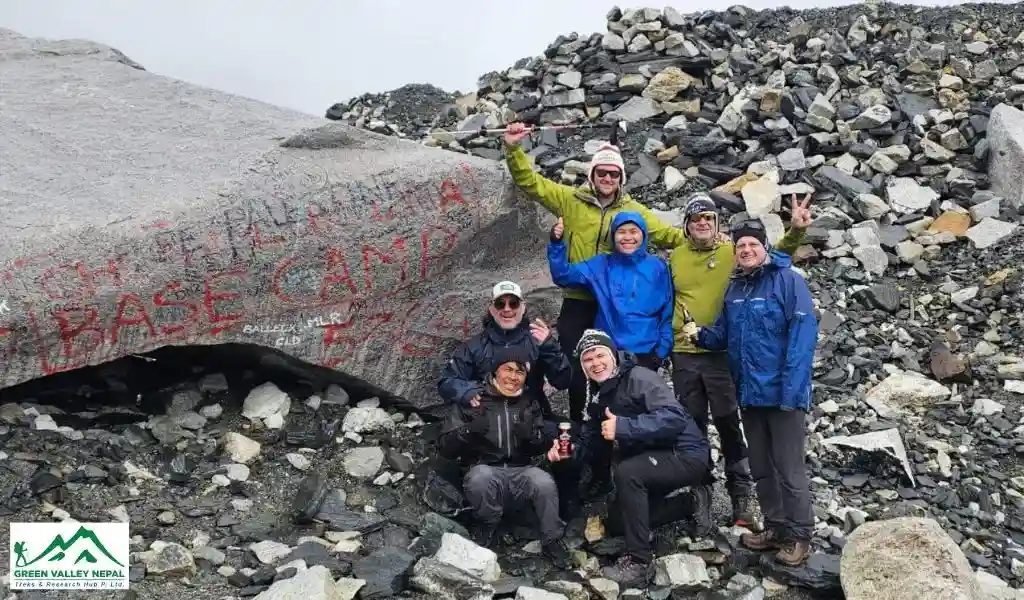
Preparation to Cover 14 Days Everest Trek Distance
It is primarily important to prepare well for the Everest Base Camp trek distance and elevation to make your journey comfortable and safe. Training, use of correct equipment, and good power management in combination help your body to adapt to the daily walking distance; the chance of getting tired or being harmed and injured is minimal.
- Stamina/Endurance Exercise: Train to walk daily and regularly, gradually covering a distance, then a small uphill gain or a steep walking path.
- Preparation for Long-Distance Hike: Do cardiovascular exercises, intense hiking, walking uphill, or using stairs, and put on a weight pack to warm up.
- Long-Distance Gear: Bring along a good quality hiking shoe, lightweight trekking poles, and a well-fitted backpack of less than 10-12 kg (22-26 lbs).
- Water and Food: Carry water and electrolyte drinks and healthy, energy-giving snacks such as nuts and dried fruits, and regular meals on longer days.
- Fatigue on Extended Trekking Days: Short rest, step-wise relaxation, listening to your body, and avoiding the onset of too much activity in the face of steepness/high altitude.
- Training at Varying Ages: Be selective, mix new hikers with shorter, more gradual walks; seniors should train on some middle-sized distances daily, yet with restoration of forces; teenagers can train on longer training hikes under their supervision.
Physical training and the use of smart gears combined with energy management allow the trekkers not to worry about the daily distances to cover in the Everest Base Camp.

Everest Base Camp Trek Distance Variations by Itinerary
The distance covered during the trek to the Everest Base Camp may vary a lot depending on the itinerary you pick. Depending on whether you stay on the standard route of 12-14 days, cut the trip short, or add side trips to the route, these and other factors make a difference in the amount of physical activity you will encounter, how strenuous each day is, and how many hours you will spend on the bumps.
- Standard 14 Days Everest Base Camp Trek Distance: The traditional 14 days Everest Base Camp trek total distance would have a round trip of roughly 130 km (80 miles) with the required acclimatization at Namche Bazaar and Dingboche. This route is planned to distribute the walk distances, altitude gain, and rest days so that any experienced trekker can enjoy it and experience it in a whole new way.
- Shortened Itinerary: Other trekkers take a shorter path that typically involves a helicopter ride back to Kathmandu from Gorak Shep and fewer altitude acclimatization days. This should cut about 30-40 km (18-25 miles) off the total distance and reduce the number of walking days, but it would demand very good physical training to counter longer daily walks and accelerated acclimatization.
- An Extended Itinerary with Side Trips: Longer treks, such as the Gokyo Lakes or the three passes trek to Everest, add more distance to the hike, 50 - 80 km or longer. These trails increase scenic beauty, terrain challenges, but also increase the distance that should be covered each day, exposure to high altitude, and the length of the trek.
With the knowledge of mass distance variations by route, trekkers are in a position to select a plan that best fits their fitness levels, limitations in time, and fulfillment of adventure expectations. Whichever route you take, standard, short, or an extended journey, having the distances will mean a safer preparation, pacing, and a fun experience in your journey to some Base Camp Everest.
Conclusion
Knowing the distance to be trekked to the Everest Base Camp will make planning the trip easy and comfortable. The daily walking distance and altitude gain are significant variables when it comes to trek preparations; routine changes and seasons influence what preparations have to be done in terms of deciding distances or time to be covered in a certain period, choosing suitable equipment, and estimating energy and fatigue along the way. The right acclimatization, hydration, and rest are the guidelines to facing the traditional 14 Days Everest Base Camp Trek and all its alternatives of it, longer or shorter.
Everest Base Camp Trek Distance FAQs
- What is the total trekking distance to Everest Base Camp?
The total round-trip trekking distance is roughly 130 km (80 miles), 1 way 65 km (40 miles).
- How many kilometers/miles do trekkers walk each day on average?
Trekkers normally travel 8-16 km (5-10 miles) over a day, contingent upon altitude and topography.
- What is the hardest section in terms of distance?
The extreme one is the Gorak Shep to Everest Base Camp one-way, as it is a very high and long one-day work.
- Which day has the longest walking distance?
The downward move to Namche Bazaar, via Pangboche, is reported to be the longest day, with 16 km (10 miles) of trek.
- Is the return distance the same as going up?
Yes, the return trek generally follows the same route, making the distance almost equal to the ascent.
- How long does it take to cover the total distance?
The typical trek can be accomplished in 12-14 days comfortably with rest days.
- Can beginners manage the EBC trek distance?
Yes, it can be done with appropriate training, pacing, and acclimatization by beginners.
- How does acclimatization affect the trekking distance?
There are Acclimatization hikes, which involve adding small distances but are crucial to prevent altitude sickness and to ensure safety.
- Is Kala Patthar included in the standard trek distance?
Yes, the optional trek to Kala Patthar is usually a part of a regular trek itinerary.
- What is the shortest possible distance to reach EBC?
The trip can be shortened by 30-40 km (18-25 miles), with a helicopter return or fewer days of acclimatization.
- How does the Lukla flight distance differ from road travel?
The flight between Kathmandu and Lukla takes 30-35 minutes (while covering a distance of 138 km (86 miles)), whereas the road travel varies between 200-220 km (124-137 miles) but lasts 2-3 days.
- Can the trek distance be completed in fewer than 14 days?
Yes, it is doable in 10-12 days with a very aggressive schedule, but it will be more physically demanding with fewer acclimatization days.