Preparation for Mardi Himal Trek
The Mardi Himal Trek to Base Camp is a moderate Himalayan trek in Nepal that requires basic physical preparation and mental readiness. While no advanced trekking experience is necessary, good fitness and preparation will greatly improve your overall experience.
This trek is suitable for most beginners, but trekkers should be able to walk 5–7 hours per day on uphill and downhill trails in varied terrain.
Physical Fitness Preparation
To prepare for the trek, it is recommended to build stamina and endurance before arriving in Nepal. Helpful activities include:
- Regular walking or short hiking trips
- Running or jogging to improve cardio fitness
- Cycling or swimming for endurance training
- Stair climbing or uphill practice hikes
These activities help your body adapt to long walking hours and altitude changes during the trek.
Strength & Breathing Preparation
In addition to cardio fitness, flexibility and breathing control are important for high-altitude trekking. You can prepare by:
- Practicing yoga or stretching exercises
- Doing breathing exercises to improve lung capacity
- Strengthening leg muscles for uphill trekking
Health & Hydration Tips
Good hydration and body care are essential before and during the trek:
- Drink plenty of water daily before the trek
- Maintain a balanced diet for energy
- Avoid dehydration during training and trekking preparation
- Rest properly before starting your journey
Final Advice
With proper preparation, the Mardi Himal Trek becomes a safe, enjoyable, and highly rewarding Himalayan adventure suitable for beginners and nature lovers.
Mardi Himal Base Camp Trek Best Time and Season:
Autumn, spring, summer, and winter are the four seasons that the Mardi Himal Trek experiences. Autumn and spring are the ideal times of year for the Mardi Himal Base Camp Trek out of 4.
Autumn - September, October, and November
For the Mardi Himal Trek, autumn is the ideal season. September, October, and November are the months that comprise autumn. One of the busiest times of year for trekking in Nepal. The Annapurna region's surroundings grow clearer in the post-monsoon season of autumn because of the summer's rainy weather. The region's picturesque splendor and visibility of the mountain ranges appear to be superb.
Spring - March, April, and May
The second-best season of the year for Mardi Himal Trekking is spring. March, April, and May are the months in which it occurs. Various plants sprout and bloom in the spring, including rhododendrons. It's that time of year when everything outside turns green and rejuvenated. During this month, you may experience the aroma of many flowers as you hike to Mardi Himal. This time of year is when the splendor of the natural flora and animals is at its height. Because it is the pre-monsoon season, the sky is often clear, giving you a clearer perspective of the mountains.
Food or Meals on the Mardi Himal Trek:
Breakfast is the first meal you eat after a long fast from the previous night. To build up a lot of endurance for walking for a long time on the route, the first meal must be nutritious and pleasant. You will be given a variety of meals for breakfast, including bread and chapati, eggs, porridge, soup, pancakes, and more.
In Nepal, the lunchtime meal is regarded as the main course. Therefore, Dal-Bhat is prepared in all teahouses as the main dish along with many other kinds. In recent years, a significant portion of foreign trekkers has also started to favor Dal-Bhat as their lunch option. Rice, noodles, pasta, pizza, hamburgers, dumplings, desserts, and a variety of other foods are typically available at teahouses for lunch.
Dinner is a tasty meal after a strenuous day of walking. Similar types of lunch and evening meals are available at the teahouses along the trail. The majority of Nepalese enjoy eating dal baht for lunch and supper, although foreign visitors prefer to select different dishes. The teahouses make a variety of hot and cold refreshments available in addition to serving breakfast, lunch, and supper.
Accommodation on Mardi Himal Trek:
The Mardi Himal Base Camp Trip is a teahouse trek that passes via guesthouses. The Mardi Himal Trek Route travels through a sparsely populated, extremely isolated area of the Annapurna range. As a result, the lodging options are also modest and provide few services. The bathrooms might be communal or private, and the rooms are typically tiny. The majority of the rooms are twin sharing; however, if you prefer a single room, please let us know in advance so that we may try to get one for you. But we can't guarantee it. The alternatives will decrease as the height rises, especially during the busiest hiking season, when hotels are fully occupied.
Mardi Himal Base Camp Trek Difficulty:
One of the most underappreciated hikes in Nepal is the Mardi Himal Trek. A lot of hikers are unaware of this lovely trail. This journey has a moderate difficulty rating from novice hikers; however, it is easy in comparison to other hikes like the Everest and Manaslu Trek. The lengthy hikes uphill are sometimes a little challenging for beginners. But rest stops along the route make the trip enjoyable. High-end hiking equipment, like ropes and ice picks, is not necessary. Reaching Base Camp from High Camp is the most difficult portion. This section of the trek is difficult because of the steep, rocky slopes. The routes along this trek's itinerary are rugged and unpaved. When it rains, it might be a little more challenging since the track becomes slippery. Forests also get slick in the rain. However, getting enough rest and drinking enough water will ensure a successful and enjoyable walk.
Travel Insurance for Mardi Trek:
The danger of altitude sickness is quite minimal on the Mardi Trek, which is rated as mild. However, the trip may encounter unanticipated or unplanned occurrences, including accidents, illnesses, floods, landslides, or abrupt climatic changes. Therefore, Mardi Base Camp Trek requires travel insurance. Insurance coverage must cover medical and emergency extradition, as well as high-altitude helicopter rescue and evacuation costs. Based on our clients' experiences, we can suggest insurance providers, but we don't actually offer insurance. After making your trek reservation, we kindly ask that you provide us with comprehensive insurance paperwork. In an emergency, we will quickly rescue you by using your insurance.
Acute Mountain Sickness and Remedies during Mardi Himal Trekking:
In Nepal, altitude illness is sometimes referred to as acute mountain sickness (AMS) or altitude sickness. Altitude sickness symptoms often appear in Nepal at altitudes of more than 3,000 meters. Due to the elevation of Mardi Base Camp (4500 meters), Acute Mountain Sickness might be a risk. Altitude sickness symptoms include headaches, exhaustion and laziness, a dislike of food, nausea, and vomiting, body tingling, dizziness, shortness of breath, and nasal bleeding.
Stop ascending to higher elevations as soon as you begin to experience AMS symptoms and take some time to relax. Trek to a lower elevation if your condition does not improve. To keep your body hydrated, remember to consume lots of water and other drinks. Acetaminophen, like Tylenol, or another pain reliever, like Ibuprofen 500 mg, should be taken if you are experiencing extreme pain. Two times daily, take 250 mg of acetazolamide for altitude sickness.
Recommended equipment list for the Mardi Himal Trek:
Your hiking clothing and equipment are one of the most crucial and significant things during the Mardi Himal Trek. The right tools include a sleeping bag, a set of High Mountain walking boots, poles, a duffel bag, necessary warm and comfortable hiking clothing, warm socks, gloves, sunglasses, sunscreen, and so on. Another important consideration is that the finest gear for hiking in the high mountains should be light, breathable, and comfortable. Ensure that you have all the required paperwork, records, and concepts for restricted and non-restricted items. Here are some more items to consider adding to your packing list: Recommended Packing List for Nepal Trekking
Mardi Trek Guide and Safety:
Our client's safety and security are guaranteed, and we are ready for everything. The following safety precautions are taken by Green Valley Nepal Treks, a reliable company:
- Trek leaders and guides have years of expertise leading treks, so they can guarantee your comfort, safety, and security.
- We provide intensive wilderness first aid training to all of our guides.
- As you progress through the walk, our guide will inspire and motivate you.
- In hiking areas, we inspect the sanitation of the meals and lodging.
- We have all the tools, equipment, and first aid supplies we require.
- Our trek leaders have the right to cancel or continue a tour if someone becomes ill.
- We will send out a chopper to evacuate people in case of a crisis (covered by insurance).
Mardi Himal Trek Itinerary - 9 Days Total - 5 Days Trek:
Arrival, Travel and Departure Days
- Day 1: Arrival in Kathmandu
- Day 2: Travel Kathmandu → Pokhara
- Day 8: Pokhara → Kathmandu
- Day 9: Final Departure
Trekking Journey Summary
The trekking adventure starts from Pokhara on Day 3.
Day 3: Kande → Pitam Deurali
- Short drive to Kande
- Trek through forests and villages
- Gradual altitude gain for acclimatization
Day 4: Pitam Deurali → Low Camp
- Dense rhododendron and oak forests
- Occasional wildlife sightings
- First clear mountain glimpses
Day 5: Low Camp → High Camp
- Ridge trail with dramatic views
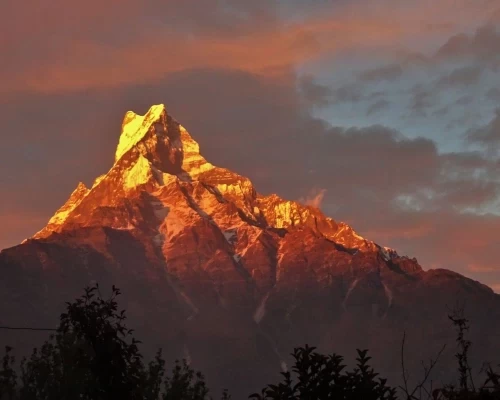
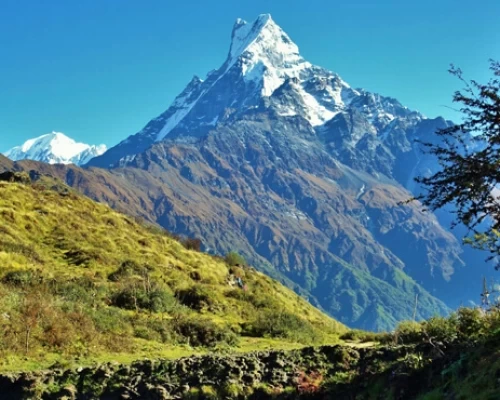
- Annapurna South and Machhapuchhre dominate skyline
- One of the most scenic sections
Day 6: High Camp → Base Camp → Badal Danda
- Early morning hike to Mardi Himal Base Camp
- 360° Himalayan panorama
- Descent to Badal Danda for rest
Day 7: Badal Danda → Siding → Pokhara
- Steep descent through forest and villages
- Jeep ride back to Pokhara
Mardi Himal Trek Distance, Duration, and Altitude:
| Trekking Route | Distance (Kilometers) | Duration (Hours) | Altitude (Meters) |
| Drive from Kathmandu to Pokhara | 205/ 127miles | 8 to 9 | 822/ 2696ft |
| Drive from Pokhara to Kande | 27/ 16.7 miles | 1 | 1770/ 5807ft |
| Trek from Kande to Pitam Deurali | 5.8/ 3.6 | 5 to 6 | 2142/ 7027ft |
| Trek from Pitam Deurali to Low Camp | 6.8/ 4 miles | 4 to 5 | 3050/ 10,006ft |
| Trek from Low Camp to High Camp | 8.5/ 5 miles | 4 to 5 | 3600/ 11,811ft |
| Trek from High Camp to Base Camp, then Badal Danda | 12.3/ 7.6 miles | 7 to 8 | 4500/ 14,763ft |
| Trek from Badal Danda to Siding | 5.2/ 3 miles | 7 to 8 | 1700/ 5577ft |
| Drive from Siding to Pokhara | 44/ 27 miles | 2 to 3 | 822/ 2696ft |
| Drive from Pokhara to Kathmandu | 205/ 127 miles | 8 to 9 | 1400/ 4593ft |
Mardi Himal Trek Cost
The Mardi Himal Trek cost usually ranges from USD 450 to USD 600 per person, depending on group size, travel season, and level of service. It is one of the most affordable trekking options in Nepal, offering great mountain views and a peaceful trail experience.
The final cost may vary depending on group size, as joining a larger group generally reduces the price per person.
What affects the cost?
- Group size
- Travel season
- Type of service (standard or private trek)
What is usually included
- Licensed trekking guide
- Trekking permits (ACAP & TIMS)
- Accommodation during the trek
- Meals during trekking days
What is not included
- Personal expenses (drinks, WiFi, hot shower)
- Travel insurance
- Nepal visa fee
- Tips for the guide and porter
Mardi Himal Trek Booking Procedure:
Having been in business for more than 13 years, Green Valley Nepal Treks is a government-approved, registered, and bonded trek and tour company in Nepal. We are members of the Nepal Mountaineering Association (NMA) and the Trekking Agency Association of Nepal (TAAN). Therefore, you may securely make trip reservations with us. For the confirmation of your Mardi Himal Trek reservation, we ask for a 10% advance payment. Within a week of making your reservation, email us the relevant paperwork, including a copy of your passport, two passport-sized pictures, your travel insurance information, and flight information. Western Union, bank transfers, and online payments through the website are all accepted forms of payment. After you get to Kathmandu, you may pay the remaining trip expenses using cash, a bank transfer, or a credit card. Additionally, we will send you payment information and accepted methods.
Related Treks and Helpful Links
If you are interested in exploring more trekking options in the Annapurna region, here are some recommended alternatives and helpful guides to plan your trip:
- Annapurna Base Camp Trek – A classic Himalayan trek with stunning mountain views and rich cultural villages.
- Ghorepani Poon Hill Trek – A short and easy trek, perfect for beginners, with amazing sunrise views over the Himalayas.
- Annapurna Circuit Trek – A longer, more challenging adventure around the Annapurna massif, featuring diverse landscapes and high mountain passes.
- Nepal Trekking Guide – Useful information on permits, seasons, and trekking preparation tips.