Month-Wise Guide: Manaslu Circuit Trek in March, April & May

Every month from March through May brings special opportunities for you when you take part in the Manaslu Circuit Trek adventure.
You will find moderate temperatures in March with rhododendron flowers blooming throughout the trekking route.
The April season stands out with its comfortable weather conditions, together with extended daylight hours and abundant flowers that create perfect trekking conditions.
In May, the hiking conditions become warm enough for people with varying fitness levels, but the increased number of trekkers becomes common during this time.
Visitors can best appreciate the attractiveness and cultural heritage of the Manaslu region during the snow withdrawal because the captivating panoramas develop during this optimal pre-monsoon season.
Manaslu Circuit Trek in March
Here’s a quick overview of important aspects of trekking in March.
Aspect | Details |
Temperature | Day: 10°C to 15°C (50°F to 59°F) |
| | Night: -5°C to 0°C (23°F to 32°F) |
Crowd Level | Low (fewer trekkers) |
Trail Conditions | Generally good; some snow is possible |
Flora and Fauna | Early blooming rhododendrons |
Cultural Experience | Interaction with local Gurung and Tibetan communities |
Key Highlights | Stunning mountain views, serene atmosphere |

In March, the Manaslu Circuit Trek becomes ideal because spring starts its annual cycle in the Manaslu region. The trekking environment becomes more pleasant because temperatures increase as winter fades away.
During this month, the lower elevation daytime temperatures span between 10°C and 15°C (50°F to 59°F); however, nighttime temperatures at higher elevations drop to -5°C (23°C). Trekkers who want gentle warmth appreciate the mild seasonal temperatures, which improve their outdoor experience.
The Manaslu Circuit Trek attracts fewer visitors in March compared to April and May, so you can savor a serene journey through nature. A subdued atmosphere during this period lets hikers establish stronger bonds with dramatic regional views, together with native traditions.
During your journey, you will come across the picturesque villages of Soti Khola, Machha Khola, and Samagaon, where you can experience the friendly spirit of Gurung and Tibetan people. Your journey gives you a front-row seat to witness the slow transition of the region because the rhododendron blossoms begin to show their colors throughout the trail.
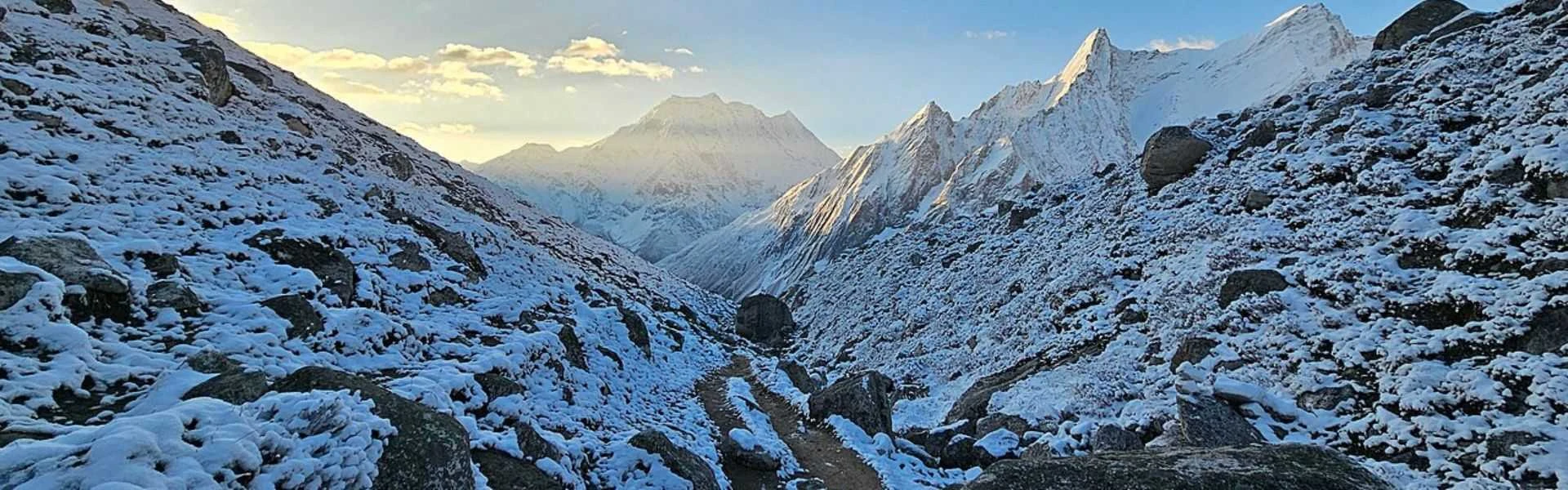
Trekking during March allows visitors to experience panoramic mountain views of the Manaslu, Ganesh Himal, and Annapurna ranges. Standing at Larke Pass (5,160 meters) trekkers experience progressively magnificent mountain views because the snow melts away to showcase the magnificent mountain appearance. Due to unexpected snowfall at higher elevations, trekkers must exercise caution simply because weather patterns remain unpredictable.
Manaslu Circuit Trek in April
Here’s a quick overview of important aspects of trekking in April.
Aspect | Details |
Temperature | Day: 15°C to 20°C (59°F to 68°F) |
| | Night: 0°C to 5°C (32°F to 41°F) |
Crowd Level | Moderate (Increased trekkers) |
Trail Conditions | Generally good; blooming flora |
Flora and Fauna | Abundant rhododendron blossoms |
Cultural Experience | Interaction with local Gurung and Tibetan Communities |
Key Highlights | Stunning mountain views, vibrant flowers, and a lively atmosphere |
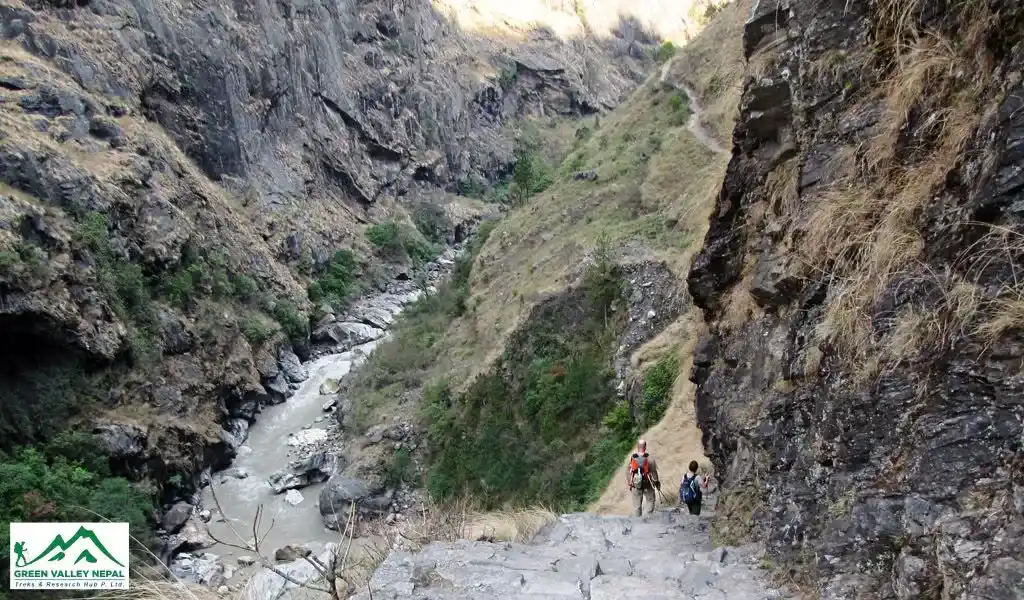
The Manaslu Circuit Trek reaches its peak in April because the natural blossoms amaze worldwide trekkers who seek enchanting Alpine scenery at this time of year.
The average daytime temperatures during April hover at 15°C to 20°C (59°F to 68°F) across lower elevations; however, night-time temperatures at high elevations range from 0°C to 5°C (32°F to 41°F). The accommodating climate conditions make trekking activities possible because they allow people to thoroughly experience the beautiful locations and exotic traditions throughout the path.
Rhododendrons, the national flower of Nepal, produce brilliant displays throughout the trails during April, which makes the environment picture-perfect. During April, trekkers can experience the enchanting view of red, pink, and white flowers that create a magical scene against the snow-covered mountain peaks.
The extended daylight hours and mild temperatures during this period allow trekking enthusiasts to fully blaze through the territory while actively taking memorable photographs of nature's appeal.
In April, the trail attracts additional trekkers since they favor the better conditions during this month. When fellow trekkers gather in a vibrant community, their presence creates a more enjoyable trekking experience through mutual friendships and shared telling of stories.
You will still meet numerous local village communities at Bimtang and Samagaon during your journey, where you can experience the Gurung and Tibetan cultures and traditions and taste their local food.
During April, the trek offers bright skies which provide clear outlooks of Manaslu peak (8,163 meters) and other mountain peaks you will notice during your trek. While the trekking conditions in April remain favorable, the temperature progressively increases during the month, making lower trails prone to rain showers later in the period. Every trekker needs suitable equipment to manage changing weather events throughout their journey.
Manaslu Circuit Trek in May
Here’s a quick overview of important aspects of trekking in May.
Aspect | Details |
Temperature | Day: 20°C to 25°C (68°F to 77°F) |
| | Night: 5°C to 10°C (41°F to 50°F) |
Crowd Level | High (more trekkers on the trail) |
Trail Conditions | Generally good; some slippery sections |
Flora and Fauna | Vibrant greenery and remaining rhododendrons |
Cultural Experience | Local festivals and interactions with communities |
Key Highlights | Warm weather, lively atmosphere, stunning mountain views |

May month of the spring season, is the preferred period for the Manaslu Circuit Trek; however, the heat levels increase before summer takes over.
The typical daytime climate in May hits 20°C to 25°C (68°F to 77°F) throughout lower elevation regions, although nighttime temperatures stay at 5°C to 10°C (41°F to 50°F) throughout higher regions.
The pleasant climate of this season creates more trekking opportunities that attract a larger number of travelers while permitting them to fully enjoy the scenic beauty of the Manaslu region.
The late spring months gradually enhance the colorful green valleys while the rhododendron blooms adorn the snow-capped peaks with their stunning appearance. The daylight stretches during May, which enables travelers to extend their hikes while they sightsee the beautiful villages at Lho and Samagaon. The local Gurung and Tibetan communities welcome trekkers with their warmth during May, when cultural festivals take place in this period.
May presents outstanding weather; however, trekkers should pay attention to rising summer heat and intermittent spring showers, which become more frequent as the month advances. Before crossing the higher elevation zones, trekkers must invest in appropriate footwear because melting snow forms slick sections along the trail route. The breathtaking photos captured at Larke Pass (5,160 meters) and other strategic viewpoints present visitors with stunning views of Manaslu and nearby peaks despite minor weather challenges.
Weather conditions in May produce heavy trail usage because many trekkers want to finish their journeys before the monsoon season arrives. The increased number of fellow adventurers creates a lively environment that promotes friendship between travelers. The high demand for this month requires travelers to plan their accommodations since local establishments could fill their capacities early.
Conclusion
The spring period from March through May offers travelers an exceptional trekking experience. It showcases breathtaking natural scenes alongside colorful local vegetation and traditional cultural interactions throughout the Manaslu Circuit region.
Spring months present distinct trekking environments, as the beginning of the season offers peaceful quiet, and the end of the season creates vibrant charm and floral displays.
People visiting the Manaslu region will encounter breathtaking panoramic mountain views, along with fulfilling experiences with the local communities, regardless of their preference for relaxation or adventure.
Frequently Asked Questions (FAQs)
- What makes spring (March–May) the best time for the Manaslu Circuit Trek?
Spring offers stable weather, mild temperatures, blooming rhododendrons, clear mountain views, and vibrant cultural experiences along the route.
- Is April the best time to trek the Manaslu Circuit in spring?
Yes, April is the best month for the Manaslu Circuit Trek in spring due to stable weather, clear mountain views, comfortable temperatures, and blooming rhododendron forests.
- Can I do the Manaslu Circuit Trek in early spring (March)?
Yes, early spring is good for trekking, but some high passes may still have snow early in March, so it’s important to monitor weather conditions before attempting high-altitude sections.
- Can beginners do the Manaslu Circuit Trek in March?
Yes, beginners can trek in March with good fitness, proper acclimatization, and a licensed guide, though snow may still be present at higher elevations.
- How does the weather change from March to May on the Manaslu Circuit?
In March, temperatures can be cool, especially at higher altitudes; April brings more stable weather and clear views; May can be warmer with occasional rain as the monsoon approaches.
- Do I need special permits for the Manaslu Circuit Trek in spring?
Yes, you need a Manaslu Restricted Area Permit (MRAP) along with MCAP and often ACAP. Permits are mandatory and usually arranged through registered trekking agencies.
- How much should I expect to pay for permits during spring?
Restricted area permit fees in spring are usually lower (~USD 75 for the first week), with additional fees for MCAP and ACAP.
- How difficult is the Manaslu Circuit Trek in spring?
It’s a challenging high-altitude trek with long walking days. Spring has mostly clear trails, but snow, mud, or rain can still create slippery sections; physical fitness and proper preparation are essential for Manaslu Trek.
- What gear should I pack for spring trekking on the Manaslu Circuit?
Pack a mix of warm and light gear: base layers, fleece, down jacket, sturdy boots, rain gear, layers for fluctuating temperatures, and sun protection.
- How is the snow and conditions at Larkya La Pass in spring?
Late spring generally has less snow than winter, but snow and ice are still possible at the high pass. Trekking poles or crampons can help when trails are icy.
- Is it too crowded to trek the Manaslu Circuit in spring?
Spring is popular but generally less crowded than autumn, offering a quieter experience compared to the peak autumn season.
- Is May too late for the Manaslu Circuit Trek?
No, early to mid-May is still suitable, offering warmer temperatures and clear views, but late May may bring occasional pre-monsoon showers.
- How does accommodation availability compare in spring vs. other seasons?
Most teahouses open in spring, though some high-altitude lodges may still be limited early in the season. Planning and bookings help secure accommodation in Manaslu Trek.
- What cultural experiences can I expect on the Manaslu Circuit in spring?
Spring includes local Tibetan-influenced festivals, traditional ceremonies, and hospitality in villages like Namrung and Samagaon.
- How cold does it get on the Manaslu Circuit Trek in March?
In March, daytime temperatures range from 10–15°C, while nighttime temperatures at higher altitudes can drop to -6 to -10°C.