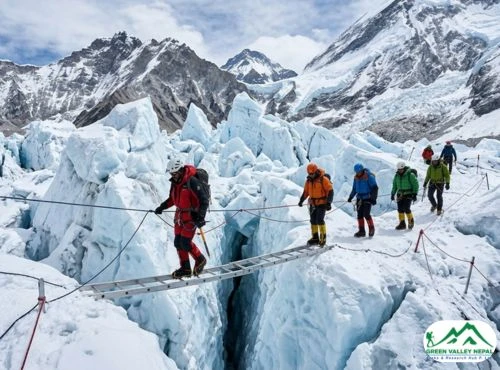
How to Choose the Right Everest Trek?
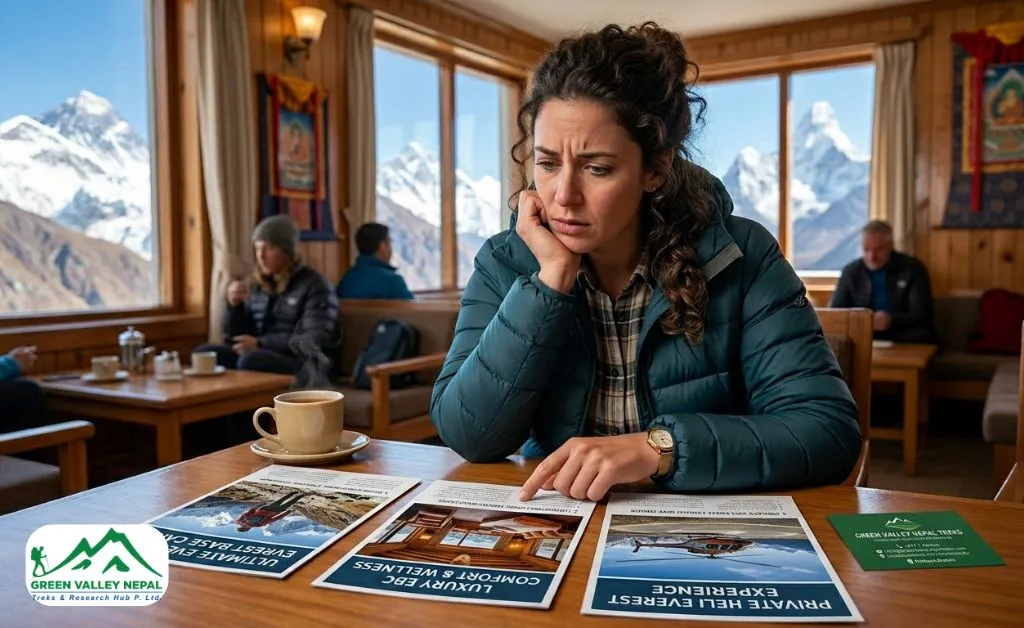
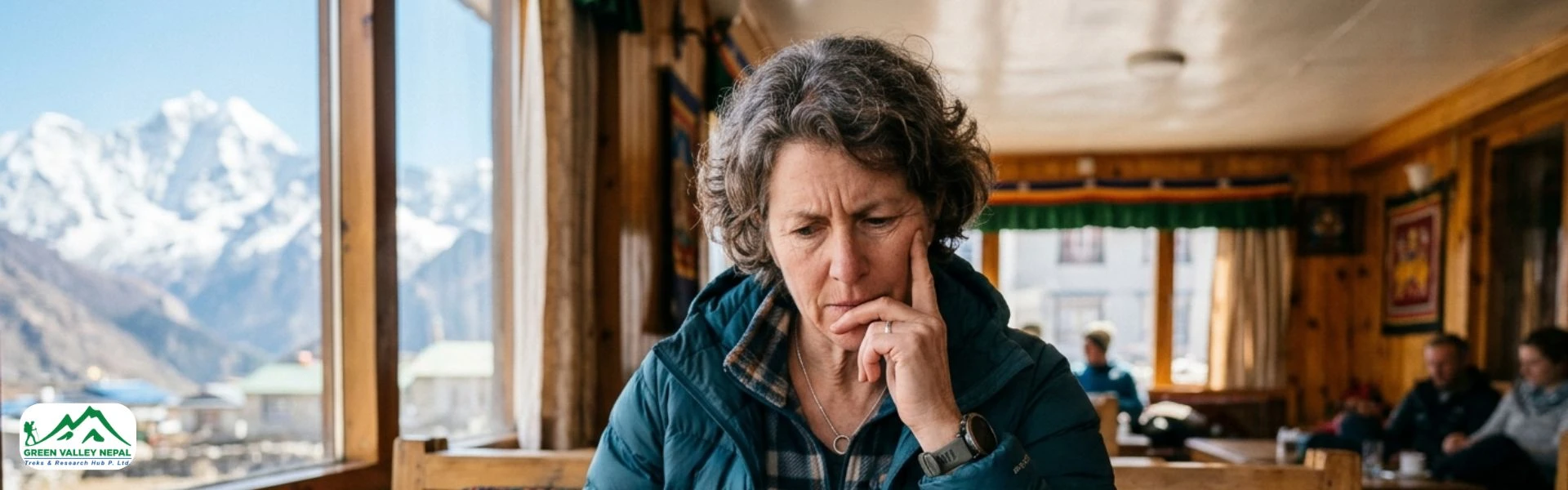
Most Everest trek failures don’t happen on the trail; they happen during planning. Travelers choose the wrong itinerary for their time, fitness, or expectations. Use the criteria below with real-world context, not guesswork.
Trek Duration (with Acclimatization)
- 9–11 days: Only suitable with helicopter return or partial heli support
- 12–14 days: Classic Everest Base Camp pace
- 15–20 days: Gokyo routes or Three Passes (for strong trekkers)
Note: Most travelers need 12–16 trekking days to acclimatize safely above 5,000 m. Cutting days often increases altitude sickness risk rather than saving time.
Comfort Level
- Standard teahouses: Small rooms, shared toilets, no heating at night (average room temp: 0–5°C)
- Luxury lodges: Heated rooms, private bathrooms, better insulation, Wi-Fi reliability on EBC Trek
- Heli-supported treks: Reduce walking days by 30–50%, ideal for older travelers or limited PTO
Note: Comfort impacts recovery, sleep quality, and altitude adaptation, especially above Namche Bazaar. To know the condition of accommodation on EBC trek, read the blog: Best Accommodation on Everest Base Camp Trek
Budget Range
- Standard EBC Trek Cost: USD $1,300–$1,800
- Luxury Lodge Trek Cost: USD $2,500–$4,500
- Heli-assisted or heli return treks cost: USD $4,000–$6,500+
Note: Cheaper packages often exclude acclimatization days, porter coverage, or emergency logistics. To know the cost of three high passes trek, you can explore Everest Three Passes Trek Cost
Physical Difficulty
- Daily walking: 5–8 hours
- Elevation gain: 300–700 m per day
- High passes: Up to 5,400 m (17,700 ft)
Note: Treks like Three Passes require prior multi-day trekking experience. Fitness alone is not enough; altitude exposure matters more. To tackle the difficulty of the Everest Trek, read our blog written on How to Train for Everest Base Camp Trek?
Trekking Season
- Spring (Mar–May): Best weather, busy trails, stable flights
- Autumn (Sep–Nov): Clear views, cooler nights, peak demand
- Winter: Fewer trekkers but extreme cold (−15°C at night)
- Monsoon: Not recommended due to flight delays and poor visibility
Note: Season choice directly affects safety, scenery, and overall enjoyment. To know about the EBC Trek Season, you can visit: Monthly Weather Guide for Everest Base Camp Trek
Scenic vs Adventurous Routes
- Classic EBC: Iconic landmarks, social atmosphere, crowded trails
- Gokyo Valley: Fewer trekkers, turquoise lakes, panoramic viewpoints
- Three High Passes: Remote terrain, glacier crossings, elite-level challenge
Note: Same region, completely different experience. Distance matters a lot when choosing an EBC trek route, so to help you, we have written a blog explaining the Classic EBC Trek Distance and the Everest Three Passes Trek Distance.
Classic Everest Base Camp Treks (Most Popular Choices)
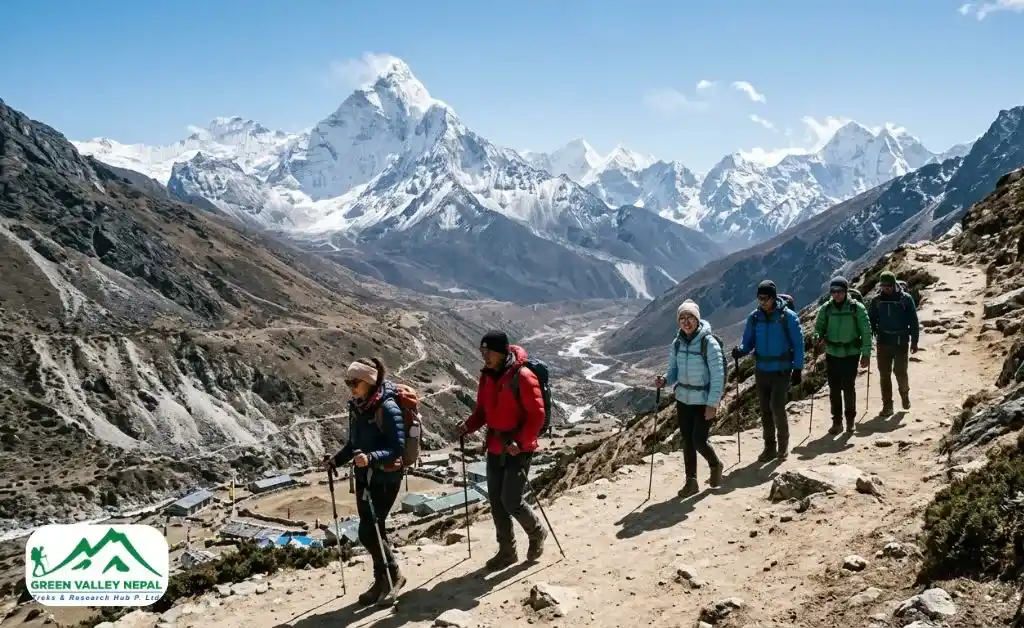
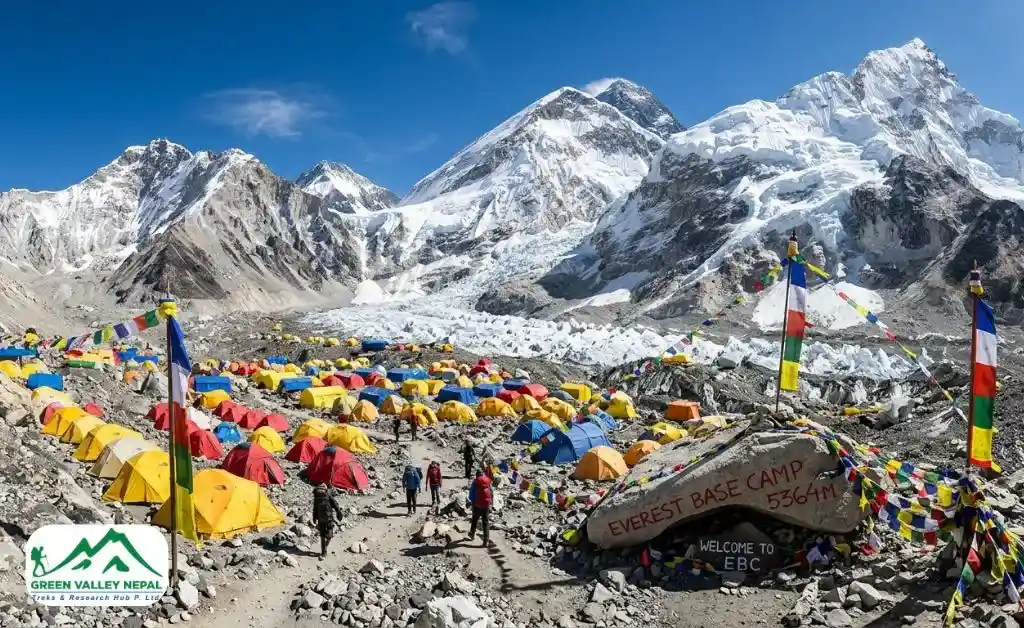
While all the treks below reach the same destination (5,364 m / 17,598 ft), the way you get there can feel completely different. Pace, comfort, and logistics matter more than most travelers expect.
Everest Base Camp Trek (Most Balanced Option)
- Duration: 14 days with proper acclimatization; moderate daily walking
- Comfort level: Standard teahouses; shared rooms and bathrooms
- Major experience highlight: Gradual altitude gain with strong acclimatization, ideal for first-time high-altitude trekkers
- Why choose this: Best balance of safety, experience, and success rate for most travelers.
12 Days Everest Base Camp Trek (Time-Efficient Classic)
- Duration: Faster-paced 12-day itinerary with limited buffer days
- Comfort level: Standard teahouses; minimal rest-day flexibility
- Major experience highlight: Reaching EBC without extending vacation time
- Why choose this: Ideal if you are fit, altitude-aware, and short on PTO (Paid Time Off)
Budget Everest Base Camp Trek (Cost-Focused)
- Duration: Same duration as standard 12-day trek, often with longer walking days
- Comfort level: Basic teahouses; minimal amenities, limited meal choices
- Major experience highlight: Affordable access to the Everest region
- Why choose this: Works if budget matters more than comfort and flexibility
Rapid (Short) Everest Base Camp Trek (Fastest Way on Foot)
- Duration: Very aggressive 9-day schedule with long trekking days
- Comfort level: Basic teahouses; minimal recovery time
- Major experience highlight: Fast ascent to Everest Base Camp with intense physical demand
- Why choose this: Suitable only for very fit trekkers with prior altitude experience
Everest Base Camp Trek by Road (No Lukla Flight)
- Duration: 16 days with a slower, more gradual ascent
- Comfort level: Standard teahouses; less commercialized early stages
- Major experience highlight: Overland journey through remote villages before joining the main EBC trail
- Why choose this: Perfect if you want to avoid Lukla flights and enjoy a quieter approach
Everest Trek Cost for Indians (Only for Indian Passport Holders)
- Duration: 14 days with standard acclimatization days
- Comfort level: Standard teahouses; shared facilities
- Major experience highlight: Cost-optimized EBC experience with the same route and views
- Why choose this: Designed for Indian travelers seeking reduced costs
Everest Base Camp Trek with Helicopter (Time & Comfort Focused)
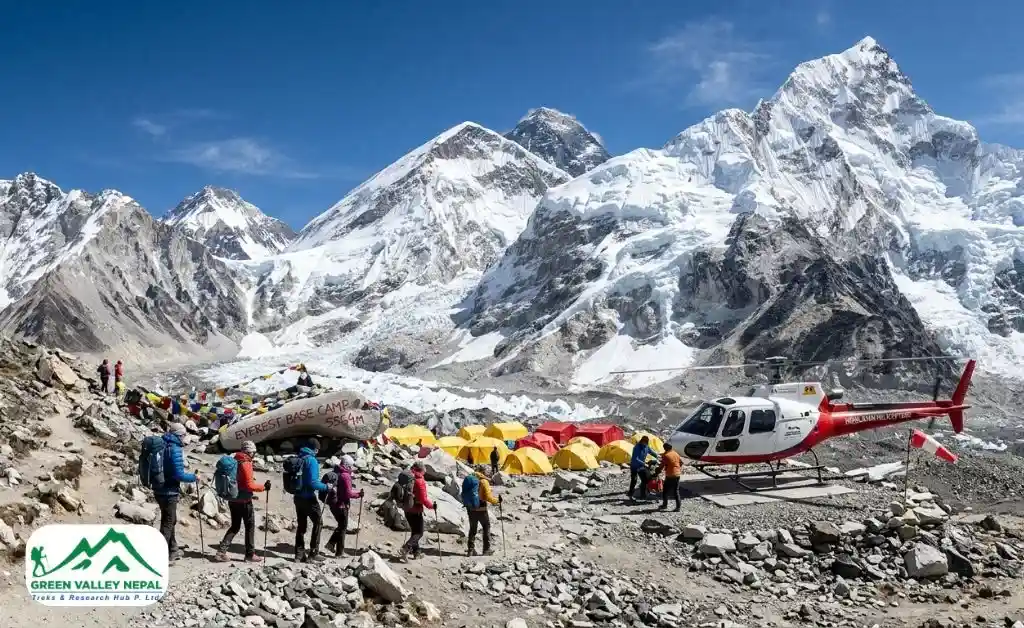
Everest Base Camp with Helicopter options combines trekking with scenic helicopter flights, reducing walking days while significantly improving comfort and recovery.
Everest Base Camp Trek Helicopter Return to Kathmandu
- Trek duration: 10 days
- Comfort level: Standard teahouses during the trek; helicopter exit to Kathmandu
- Major experience highlight: Direct helicopter flight over Everest, Lhotse, and Khumbu Glacier
- Why choose this: Maximum time savings with dramatic aerial Himalayan views and reduced fatigue
EBC Trek Helicopter Return from Pheriche
- Trek duration: 11 days
- Comfort level: Standard teahouses with fewer long downhill days
- Major experience highlight: Scenic helicopter evacuation after completing the core EBC section
- Why choose this: Ideal balance of trekking achievement and physical recovery
Everest Base Camp Trek Heli Out to Lukla
- Trek duration: 12 days
- Comfort level: Standard teahouses; helicopter flight replaces the longest return walk
- Major experience highlight: Flying over the Khumbu Valley after reaching EBC
- Why choose this: Keeps the classic trekking feel while avoiding repetitive return days
Luxury Everest Heli Trek
- Trek duration: 6 days
- Comfort level: High-end lodges, helicopter transfers, minimal walking
- Major experience highlight: Close-up aerial views of Everest without prolonged altitude exposure
- Why choose this: Best for travelers with severe time limits or those prioritizing comfort over trekking distance
11 Days Super Luxury Everest Base Camp Trek
- Trek duration: 11 days
- Comfort level: Luxury lodges with heated rooms, private bathrooms, and premium dining
- Major experience highlight: Trekking to EBC with lodge-level comfort and helicopter-assisted logistics
- Why choose this: Combines the achievement of EBC with the highest comfort available on the trail
Gokyo Valley & Cho La Pass Treks (Scenic & Less Crowded)
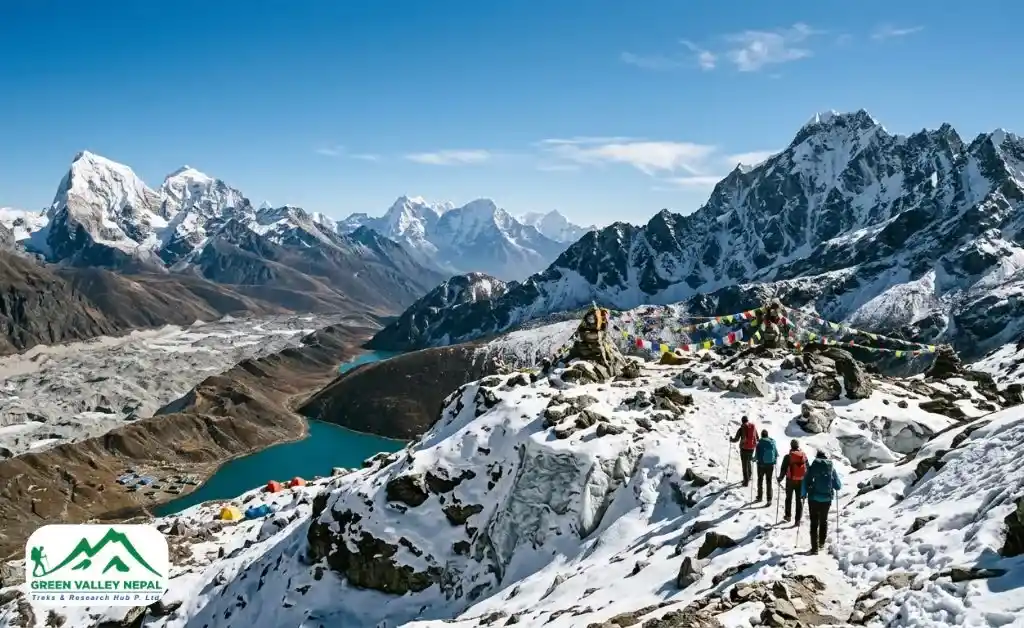
Gokyo Valley and Cho La Pass treks offer a more visually dramatic and adventurous alternative. These routes deliver quieter trails, turquoise glacial lakes, and some of the best panoramic viewpoints in the Everest region.
Gokyo Valley Circuit Trek
- Trek duration & pace: 13 days; moderate pace with proper acclimatization
- Comfort level: Standard teahouses; basic but comfortable
- Major experience highlight: Turquoise Gokyo Lakes and panoramic views from Gokyo Ri
- Why choose this: Best scenic alternative to EBC with noticeably fewer crowds
EBC Trek via Gokyo with Helicopter Return
- Trek duration & pace: 15 days; balanced trekking pace with heli-assisted exit
- Comfort level: Standard teahouses plus helicopter return for comfort and time savings
- Major experience highlight: Combined views of Gokyo Lakes and Everest with an aerial return
- Why choose this: Scenic richness of Gokyo without a long walk back
EBC Trek via Gokyo Cho La Pass
- Trek duration & pace: 17 days; physically demanding with high-altitude pass crossing
- Comfort level: Basic teahouses; limited facilities near the pass
- Major experience highlight: Crossing Cho La Pass (5,420 m) with glacier and alpine views
- Why choose this: Perfect blend of adventure, scenery, and fewer crowds than classic EBC
Gokyo Chola Pass Trekking via EBC
- Trek duration & pace: 17 days; challenging pace with extended high-altitude exposure
- Comfort level: Standard to basic teahouses; comfort decreases at higher elevations
- Major experience highlight: Linking Gokyo Valley with Everest Base Camp via Cho La Pass
- Why choose this: Ideal for experienced trekkers wanting both EBC and Gokyo highlights
Everest Gokyo Trek via Salleri
- Trek duration & pace: 20 days; slow, gradual ascent with long trekking days
- Comfort level: Basic teahouses; more rustic on the lower trail
- Major experience highlight: Remote village life combined with Gokyo’s panoramic viewpoints
- Why choose this: Best for trekkers seeking isolation, cultural depth, and fewer tourists
Everest Three High Passes Treks (For Experienced Trekkers)
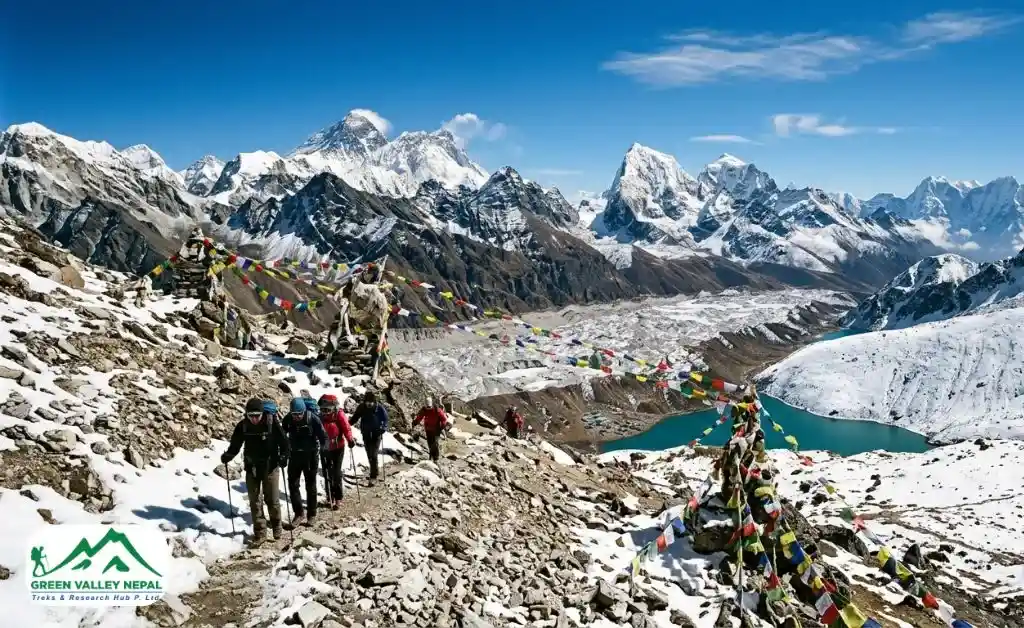
High Passes routes are designed for trekkers who already understand altitude, long mountain days, and physical fatigue. They offer the most complete Everest experience, remote valleys, dramatic glacier crossings, and three legendary Himalayan passes above 5,000 meters.
Everest Three Passes Trek
- Trek duration & pace: 18 days; strenuous pace with repeated high-altitude days
- Comfort level: Basic teahouses; limited facilities at higher elevations
- Major experience highlight: Crossing Kongma La (5,535 m), Cho La (5,420 m), and Renjo La (5,360 m)
- Why choose this: The most comprehensive and physically demanding Everest trek
Everest High Passes Trek Clockwise
- Trek duration & pace: 18 days; challenging but more acclimatization-friendly route order
- Comfort level: Standard to basic teahouses; comfort decreases near pass crossings
- Major experience highlight: Clockwise progression allows smoother altitude adaptation across all three passes
- Why choose this: Better altitude management without reducing the adventure level
Three High Passes Trek by Road
- Trek duration & pace: 19 days; slower ascent starting from lower elevations
- Comfort level: Basic teahouses; rustic villages before reaching the main Khumbu trail
- Major experience highlight: Remote valleys combined with all three high passes
- Why choose this: Avoids Lukla flights while maximizing acclimatization and solitude
Short & View-Oriented Treks (No Base Camp Required)
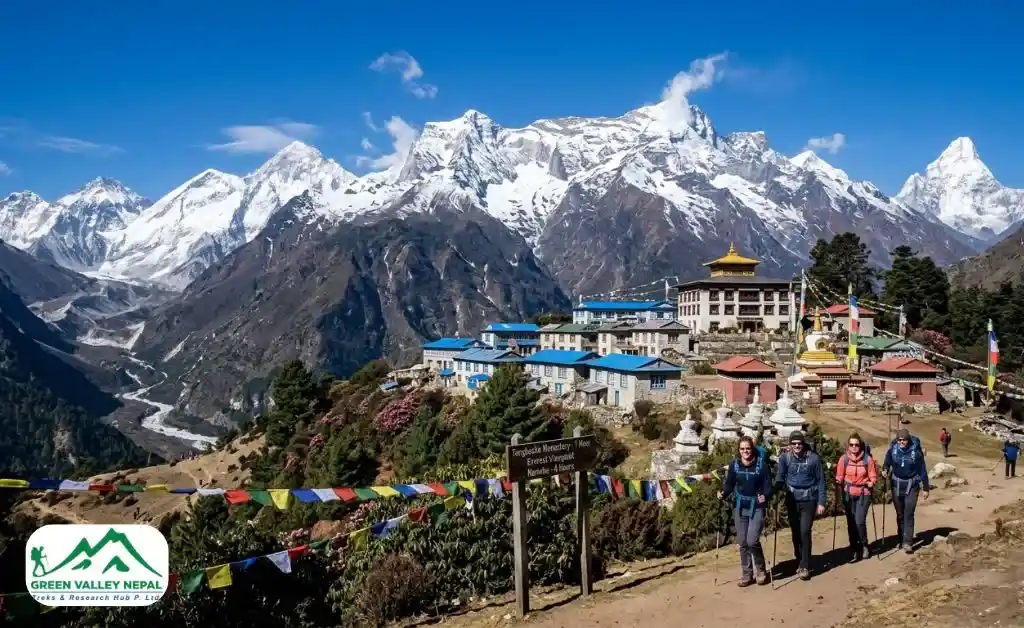
If your priority is mountain views, cultural immersion, and lower altitude risk, these short treks deliver exceptional Himalayan scenery without pushing your body to extreme elevations.
Everest View Trek
- Trek duration & pace: 9 days; easy to moderate pace with shorter walking days
- Comfort level: Comfortable teahouses and lodges, especially around Namche Bazaar
- Major experience highlight: Close-up views of Everest, Ama Dablam, and Lhotse without trekking above 4,000 m
- Why choose this: Perfect introduction to the Everest region with minimal altitude risk
Pikey Peak Trek
- Trek duration & pace: 10 days; moderate pace with gradual ascents
- Comfort level: Basic but authentic teahouses; quieter villages
- Major experience highlight: One of Nepal’s best sunrise viewpoints over Everest, Kanchenjunga, and Makalu
- Why choose this: Incredible panoramic views with far fewer crowds than the Khumbu trail
Which Everest Trek Should You Choose?
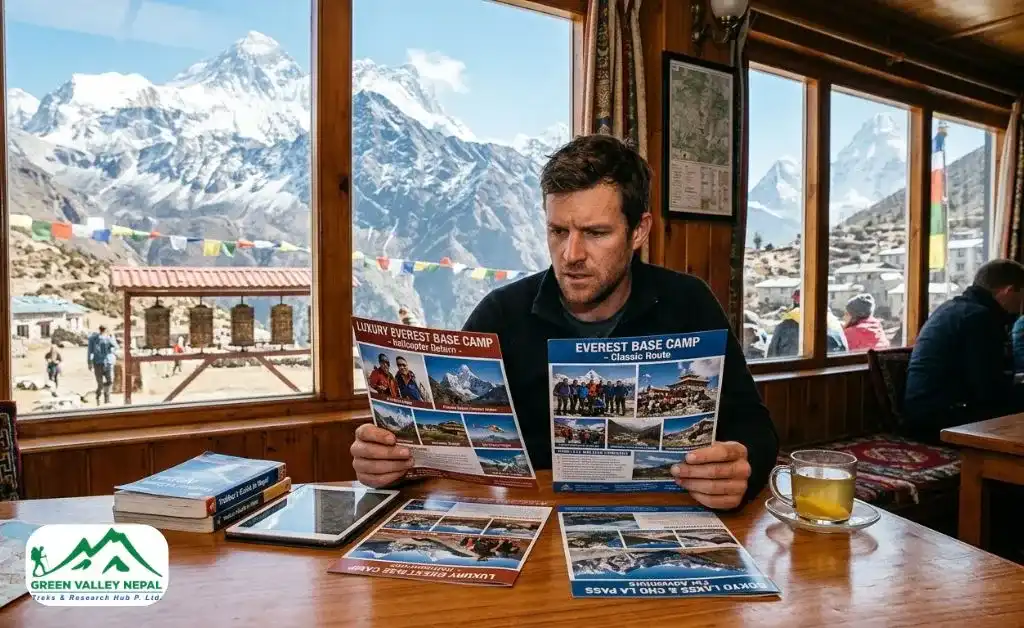
First-Time Trekkers
Best fit:
- Everest Base Camp Trek – 14 Days
- Everest View Trek – 9 Days
These options offer safer pacing, reliable acclimatization, and manageable daily distances. They are ideal if this is your first experience with high altitude and the Himalayas. If reaching Base Camp matters, go for classic. If views matter more than altitude, the Everest View Trek is a smarter choice.
Luxury Seekers
Best fit:
- 11 Days Super Luxury Everest Base Camp Trek
- Luxury Everest Heli Trek – 6 Days
Heated rooms, private bathrooms, premium meals, and helicopter logistics dramatically improve comfort and recovery. These treks are popular with travelers who want Everest without sacrificing sleep, warmth, or time efficiency.
Budget Travelers
Best fit:
- Budget Everest Base Camp Trek – 12 Days
- Everest Base Camp Trek by Road – 16 Days
These options reduce costs by limiting luxury services or replacing flights with overland travel. You still reach Everest Base Camp, but with simpler accommodation and longer days.
Adventure Lovers
Best fit:
- Everest Three Passes Trek – 18 Days
- EBC Trek via Gokyo Cho La Pass – 17 Days
High passes, glacier crossings, and remote valleys turn Everest into a true expedition-style challenge. These treks demand strong fitness and prior trekking experience but deliver the most rewarding sense of achievement.
Short Holiday Travelers
Best fit:
- Everest Base Camp Trek with Helicopter Return – 10 Days
- Rapid (Short) EBC Trek – 9 Days
Limited vacation time doesn’t have to mean missing Everest. Helicopter-supported treks cut return days and physical fatigue while still delivering the Base Camp experience.
Note: If you are confused about the packing list of the EBC Trek, then you can visit our blog written nicely to guide you properly: Recommended Packing List for Everest Three Passes Trek and Recommended Packing List for Everest Base Camp Trek.
Conclusion
Choosing the right Everest trek can feel overwhelming, but it doesn’t have to be. Every route offers its own unique experience, and the right one depends on your time, fitness, comfort preferences, and sense of adventure.
If you are still unsure which trek suits you best, our team can help you match your schedule, budget, and goals with the perfect Everest package, without pressure. Start your 2026 Everest adventure with confidence and make every step toward the world’s highest peaks truly unforgettable.