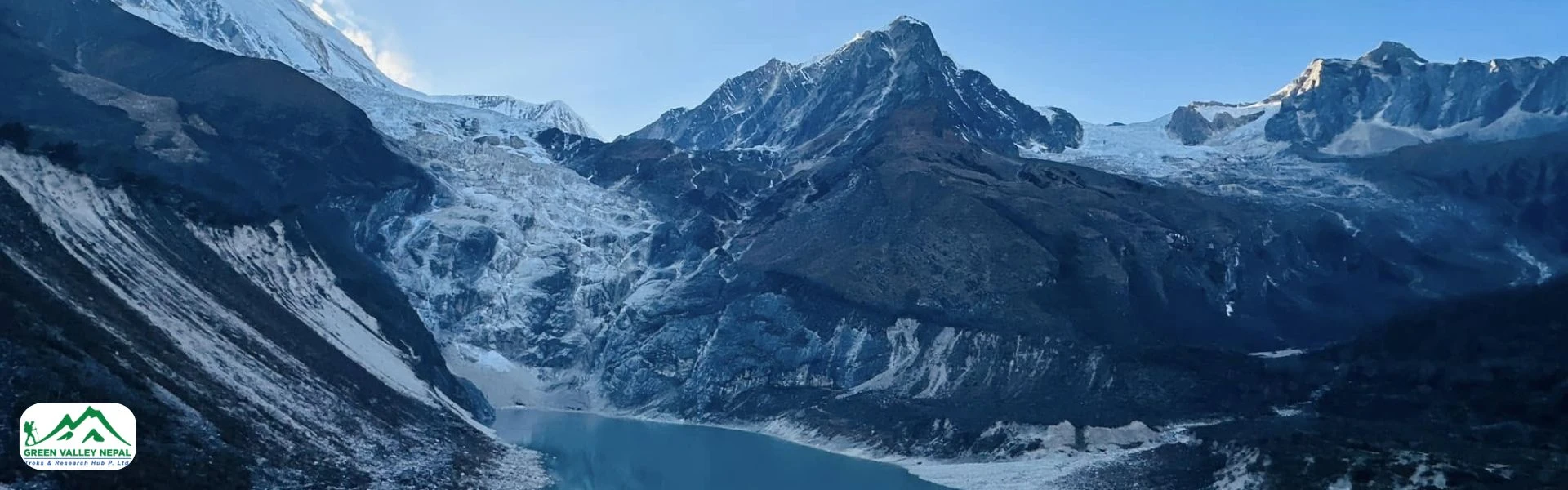
Why More Trekkers Are Choosing Manaslu?
Spectacular Views of Mt. Manaslu
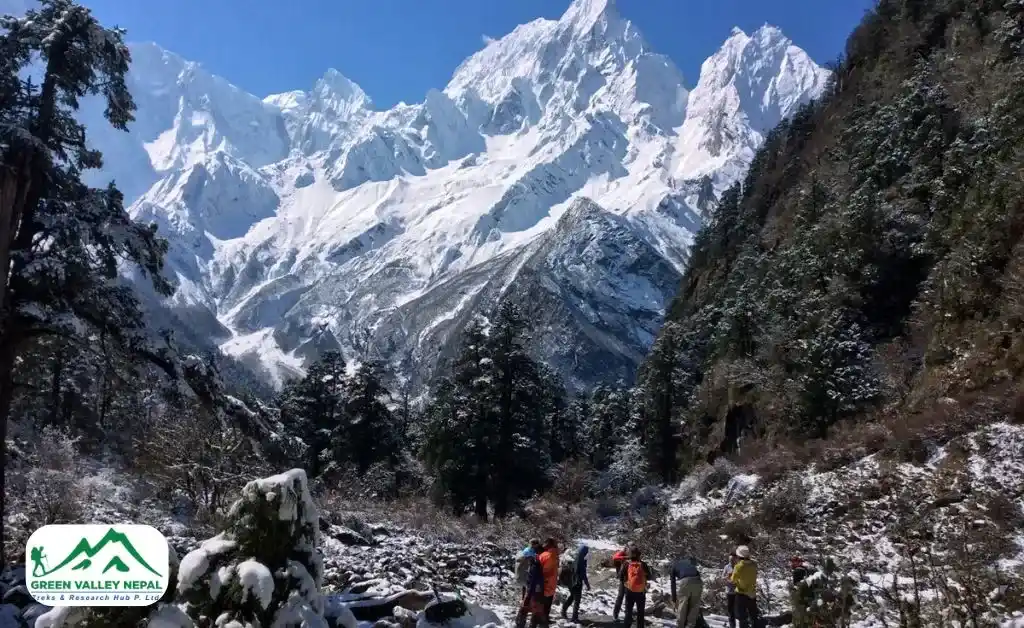
The crown jewel of this region is Mount Manaslu itself, standing majestically at 8,163 meters as the eighth-highest peak in the world. The name Manaslu derives from the Sanskrit word "Manasa," meaning "soul" or "intellect," symbolizing its spiritual presence in the landscape.
Throughout the trek, adventurers are treated to constantly evolving perspectives of this magnificent mountain. From Lho village, trekkers can marvel at the dominant peak rising above traditional settlements. As you progress to Samdo, the mountain transforms into a striking triangular summit against the azure sky. The panoramic vistas from Larkya La Pass showcase not only Manaslu but also neighboring giants, including Kang Guru, Annapurna II, Himlung Himal, Cheo Himal, Nemjung, and Gyaji Kang.
What makes these mountain views particularly special is their accessibility and intimacy. Unlike more crowded trekking routes where viewpoints are packed with tourists, the Manaslu region offers trekkers the opportunity to absorb these spectacular scenes in relative solitude, creating deeply personal moments with the mountains.
Remote and Less Crowded Trails
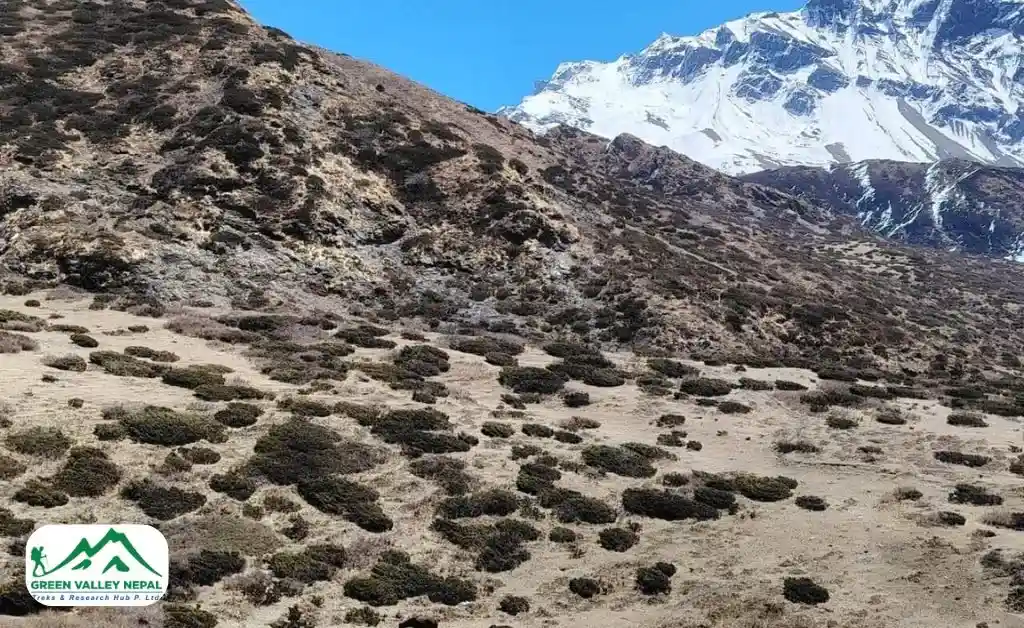
One of Manaslu's most compelling attractions is its tranquil, uncrowded trails. While the Everest and Annapurna circuits can feel like highways during peak season, Manaslu remains refreshingly isolated. This remoteness isn't just about fewer people; it's about stepping back in time to experience trekking as it was meant to be.
The region was only opened to trekkers in 1992, making it relatively new on the trekking map. This late opening has helped preserve its pristine character and authentic village life. Even during October, the busiest month for Manaslu trekking, the trails remain significantly less congested than those of their more famous counterparts.
Trekkers often report encountering more local villagers and their livestock than fellow adventurers, creating opportunities for genuine cultural exchanges and moments of profound solitude. This isolation allows for a deeper connection with nature, where the silence is broken only by rushing rivers, rustling prayer flags, and the occasional call of Himalayan birds.
Unspoiled and Diverse Landscapes
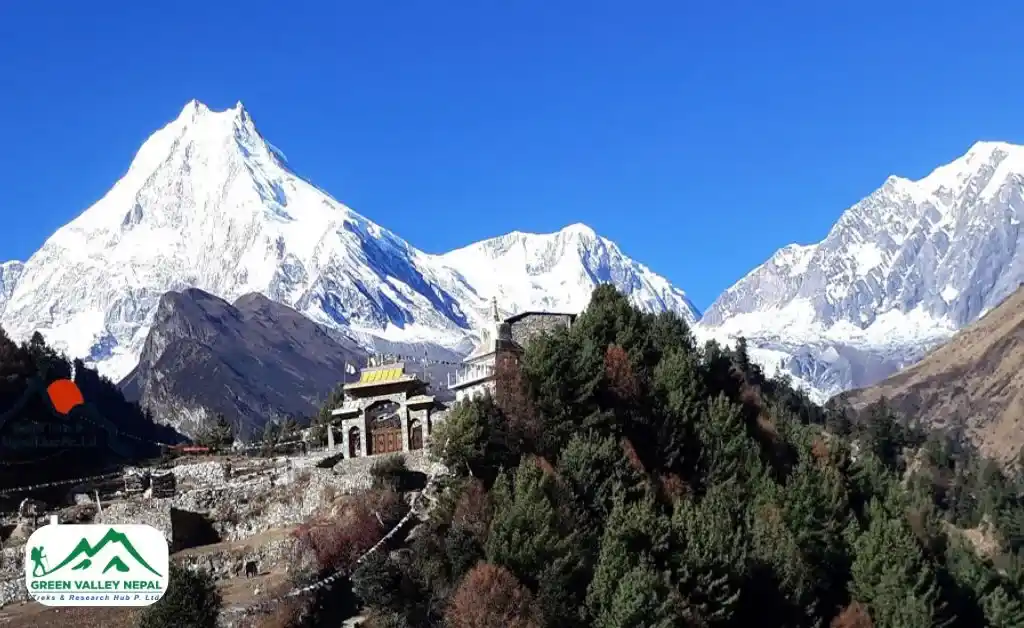
The Manaslu Conservation Area presents an extraordinary tapestry of ecosystems, ranging from subtropical forests at 730 meters to the arctic-alpine environment at Larkya La Pass (5,160 meters). This dramatic elevation change creates unparalleled scenic diversity along the trekking route.
Lower elevations feature lush, thriving subtropical forests filled with vibrant rhododendrons that burst into spectacular color during spring. As you ascend, these forests gradually transition to alpine meadows, rocky plains, and eventually to the stark beauty of high-altitude glacial landscapes. The Budhi Gandaki River carves through deep gorges, creating dramatic landscapes of turquoise waters against cliffs.
The terraced farmlands clinging to mountainsides demonstrate the harmonious relationship between humans and nature, while waterfalls cascade down moss-covered rocks, and suspension bridges span roaring rivers. Every day brings new visual surprises, from serene alpine lakes to massive glacial moraines and vast ice fields that sparkle under the Himalayan sun.
Authentic Cultural Experience
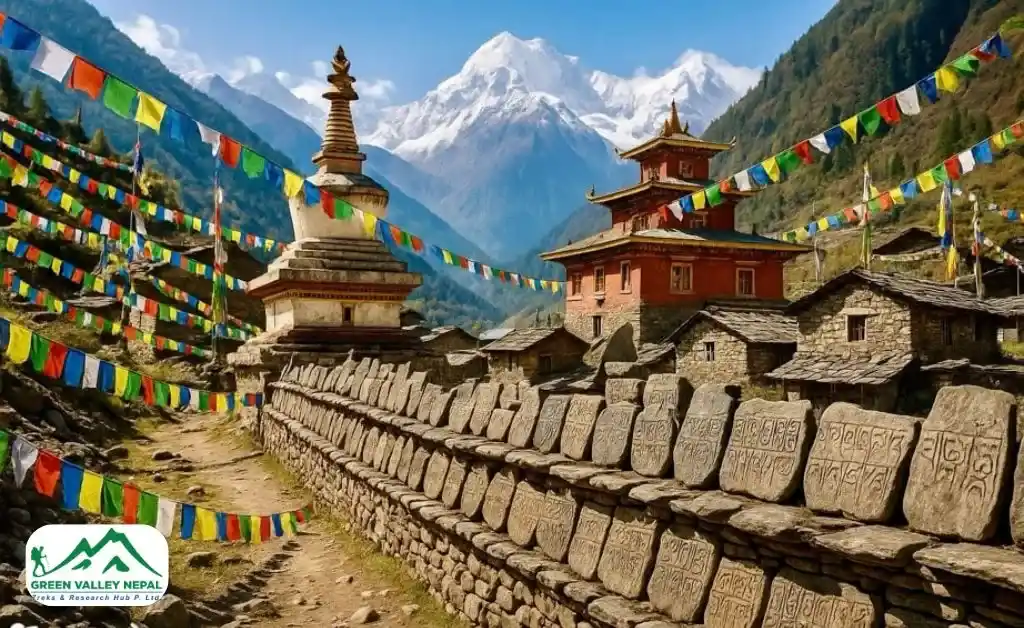
The Manaslu region is home to the Nubri and Tsum ethnic communities, whose cultures have been profoundly influenced by their proximity to Tibet. This creates a unique cultural corridor where ancient traditions remain vibrant and largely unchanged by modern tourism.
Lower villages are primarily inhabited by Gurung and Ghale communities practicing Hinduism, while higher elevations showcase strong Tibetan Buddhist influence. This cultural gradient provides trekkers with insight into the religious and ethnic diversity of the Himalayan region.
Villagers welcome visitors with genuine warmth, offering glimpses into traditional mountain lifestyles that have remained largely unchanged for centuries. The isolation of these communities has preserved distinct cultural identities expressed through traditional architecture, clothing, festivals, and daily rituals. Trekkers can witness women wearing traditional pangdens, observe the preparation of butter tea, and be greeted with "Tashi Delek" rather than "Namaste" as they move into higher altitudes.
Peaceful Monasteries and Buddhist Heritage
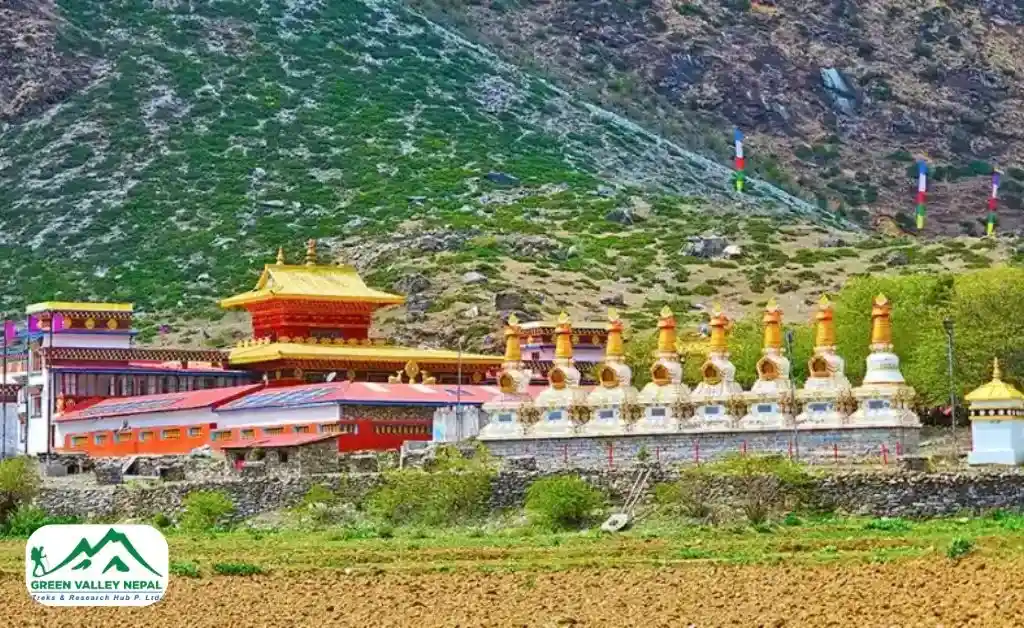
Buddhism's spiritual presence is palpable throughout the higher reaches of Manaslu. Perched on mountainsides and tucked into valleys are elegant monasteries that create an atmosphere of profound peace and contemplation.
The trekking route is adorned with mani walls inscribed with Buddhist prayers, prayer wheels spinning in the wind, and colorful prayer flags fluttering against mountain backdrops. Notable monasteries include Ribung Gompa in Lho, Pungyen Gompa in Samagaon, and the ancient Rachen Gompa and Mu Gompa in Tsum Valley.
Tsum Valley, often called the "Hidden Valley," holds special spiritual significance. Local lore suggests that the Buddhist master Milarepa meditated in the mountain caves of this sacred valley. The valley maintains strict Buddhist principles, including a prohibition on killing animals, reflecting the deep spiritual values of its inhabitants. For trekkers seeking not just physical adventure but spiritual enrichment, these monasteries and sacred sites offer opportunities for meditation, reflection, and connection with ancient wisdom.
Thrilling High-Altitude Adventure
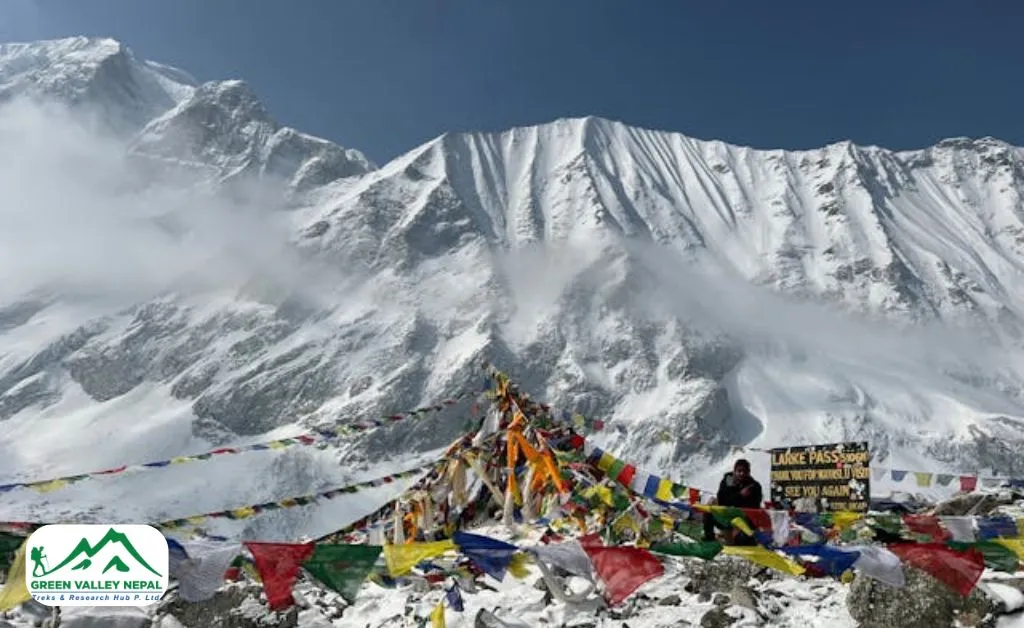
Crossing Larkya La Pass at 5,160 meters represents the pinnacle challenge and reward of the Manaslu Circuit Trek. This high-altitude pass demands physical endurance, mental fortitude, and proper acclimatization, making its successful crossing a genuine achievement.
Most trekkers attempt the crossing in the early morning hours to avoid harsh afternoon winds and enjoy optimal conditions. The climb is steep and often covered in snow, creating a demanding yet exhilarating experience. Upon reaching the summit, trekkers are rewarded with breathtaking 360-degree views of the surrounding Himalayan peaks, a moment that justifies every challenging step.
The descent from the pass takes trekkers through pine and rhododendron forests to Bhimtang, where the landscape transforms once again. The dramatic altitude changes and varied terrain provide constant adventure, keeping trekkers engaged and challenged throughout the journey.
Off-the-Beaten-Path Experience
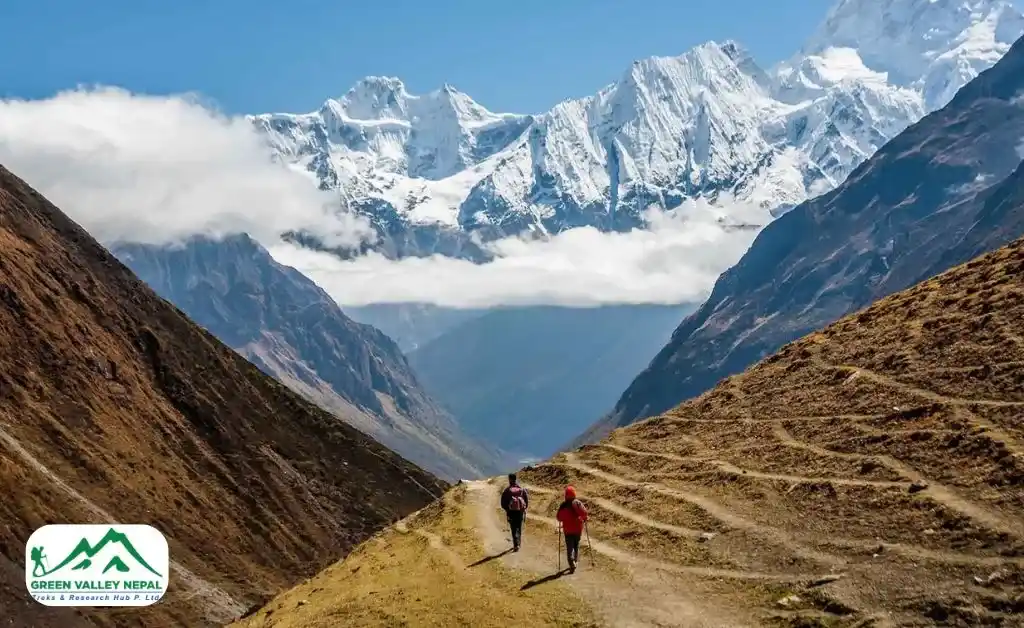
Manaslu represents the quintessential off-the-beaten-path Himalayan adventure. Unlike the commercialized trekking routes, the Manaslu region retains an authentic wilderness character that appeals to adventurers seeking genuine exploration.
The trails wind through charming villages like Samagaon, Samdo, and Lho, where traditional mountain life continues largely unaffected by tourism development. These settlements offer insights into remote Himalayan living, where communities remain deeply connected to their land, traditions, and spiritual practices.
The remoteness also means that infrastructure development has been careful and sustainable. While basic teahouses now exist along the route (eliminating the previous need for camping), they remain simple and authentic, lacking the luxury accommodations found in more popular regions. This authenticity is precisely what draws trekkers who value genuine cultural experiences over tourist comforts.
Rich Flora and Fauna
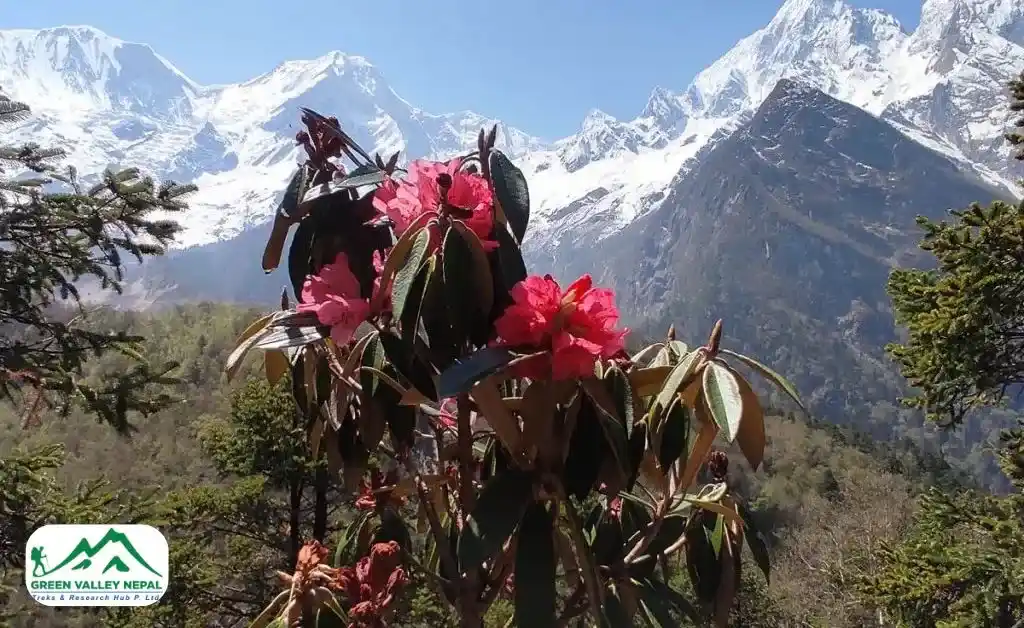
The Manaslu Conservation Area is a biodiversity hotspot, home to an impressive array of wildlife and plant species. The area harbors 33 species of mammals, 110 species of birds, 11 species of butterflies, three species of reptiles, and approximately 1,500-2,000 species of flowering plants.
Wildlife enthusiasts have opportunities to spot rare and endangered species, including snow leopards, red pandas, Himalayan tahr, blue sheep (Bharal), musk deer, Asian black bears, Himalayan serow, and Himalayan goral. Bird watchers can observe species like the woolly snowcock, Himalayan griffon, and golden eagles soaring above mountain ridges.
The forest ecosystems change dramatically with elevation, from subtropical broadleaf forests in lower regions to temperate oak and rhododendron forests at mid-elevations, and finally to alpine shrublands and meadows near the pass. This ecological diversity makes every day of trekking a new experience for nature lovers and photographers.
Tsum Valley Side Trip Opportunity
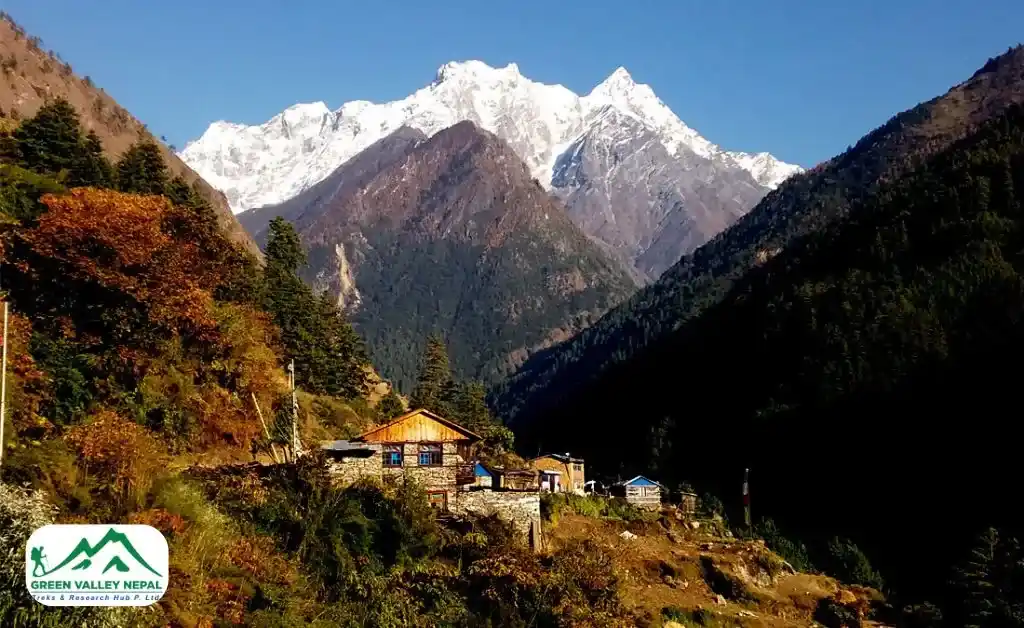
The sacred Tsum Valley offers an exceptional extension to the classic Manaslu Circuit, taking trekkers even deeper into cultural and spiritual richness. This "Hidden Valley" lies at the backdrop of the Boudha, Ganesh Himal, and Sringi Himal ranges and is inhabited by the indigenous Tsumba community with deep ties to Tibet.
Tsum Valley has maintained its isolation and sacred character more successfully than almost any other region in Nepal. The valley is dotted with ancient monasteries, meditation caves, and religious artifacts. Stones inscribed with prayers and images of Buddhist deities line the trails, creating a living museum of Tibetan Buddhist culture.
The valley's designation as a sacred Beyul (hidden valley) means that traditional practices prohibiting the killing of animals are strictly maintained, creating a unique environment where wildlife thrives, and spiritual values shape daily life. For trekkers interested in cultural immersion, adding Tsum Valley to the Manaslu trek provides incomparable depth and meaning.
Moderately Challenging Yet Safe
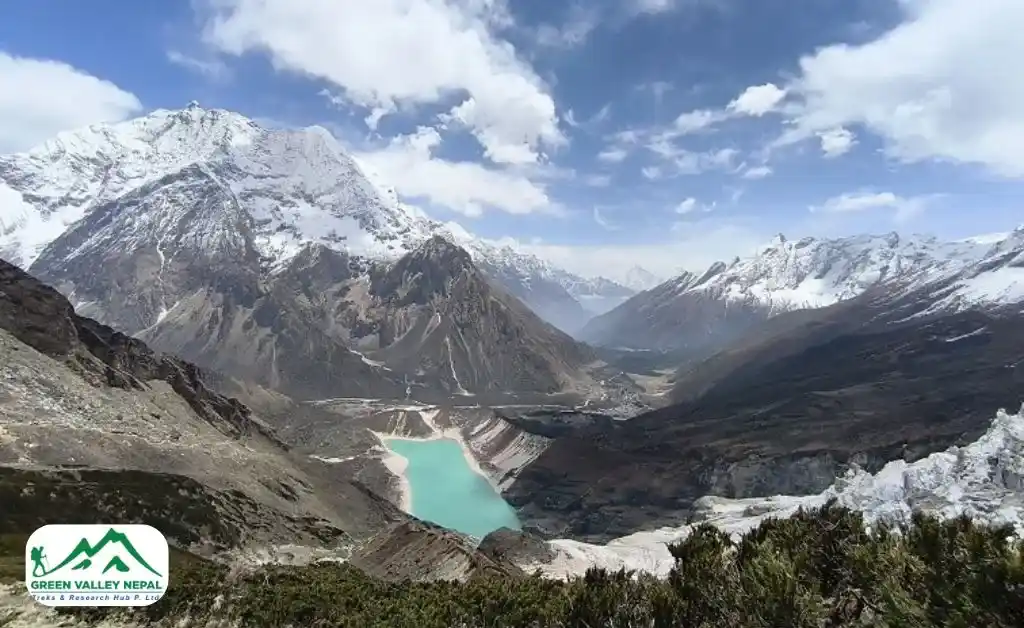
The Manaslu Circuit strikes an ideal balance between challenge and accessibility. While demanding 6-7 hours of walking daily for approximately two weeks, the trek doesn't require technical climbing skills or extreme mountaineering experience. This makes it accessible to trekkers with moderate fitness levels and some prior trekking experience.
The trails have been restored and repaired following the 2015 earthquake, with local communities working diligently to ensure safety and accessibility. Well-placed acclimatization days help trekkers adjust to increasing altitudes, reducing the risk of altitude sickness when proper guidelines are followed.
Teahouse infrastructure along the route provides reliable accommodation and meals, eliminating the need for camping and reducing logistical complexity. Emergency evacuation routes exist, and helicopter rescue services are available if needed. With proper preparation, acclimatization, and guidance from experienced local guides, the Manaslu Circuit is a challenging yet safe adventure suitable for determined trekkers.
Comparatively Budget-Friendly Trek
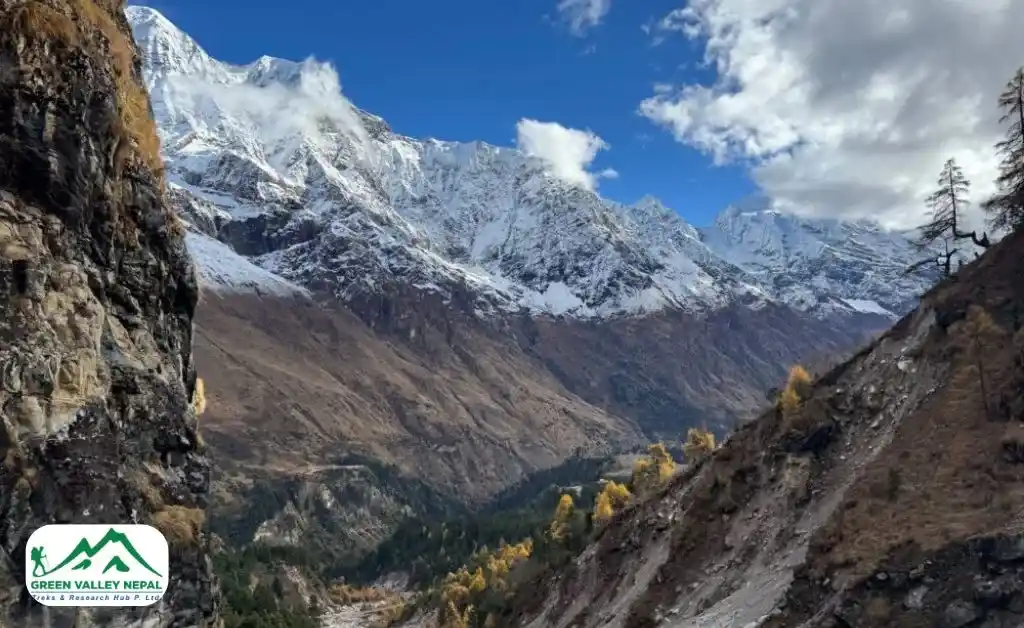
Compared to the Everest and Annapurna regions, Manaslu offers exceptional value for money. Accommodation costs in standard teahouses remain affordable, with facilities that, while basic, provide all essential comforts for mountain trekking.
Food prices are reasonable, particularly in lower villages, though costs naturally increase with altitude due to transportation challenges. However, even at higher elevations, meals remain more affordable than in the more commercialized trekking regions.
The overall Manaslu Circuit Trek Cost, which includes permits, guide and porter fees, accommodation, and meals, is generally lower than equivalent treks in Everest or Annapurna. This affordability makes Manaslu an attractive option for budget-conscious trekkers who don't want to compromise on adventure quality or cultural experiences. The value proposition is particularly strong considering the region's pristine beauty, cultural richness, and uncrowded trails.
Sustainable and Responsible Tourism Focus
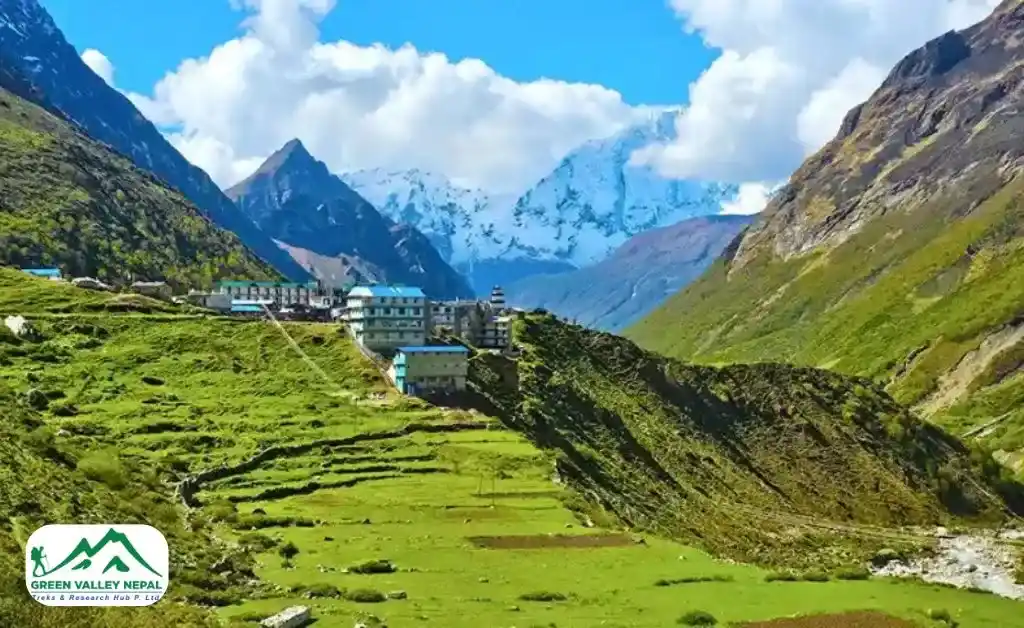
The Manaslu region exemplifies sustainable tourism principles, with conservation and community welfare at the forefront of development strategies. Managed by the National Trust for Nature Conservation (NTNC), the Manaslu Conservation Area Project ensures that tourism benefits directly support environmental protection and local communities.
Permit fees contribute to conservation projects, infrastructure improvements, and community development programs, creating a sustainable tourism model where visitor fees directly benefit the region. Local communities are actively involved in tourism development, operating teahouses, serving as guides and porters, and participating in decision-making processes.
This approach preserves the region's natural resources and cultural heritage while providing economic opportunities for remote mountain communities. Trekkers are encouraged to follow responsible tourism practices—using refillable water bottles, minimizing waste, respecting local customs, and supporting local businesses. This collaborative approach ensures that the Manaslu region remains pristine and culturally authentic for future generations while improving the livelihoods of those who call these mountains home.
Comparing Manaslu Trek with Annapurna and Everest Treks
Feature | Manaslu Circuit Trek | Annapurna Circuit Trek | Everest Base Camp Trek |
Permit requirements | RAP + MCAP + ACAP via registered agency, minimum 2 people | ACAP only allows solo trekking allowed | Sagarmatha National Park Entry Permit and the Khumbu Pasang Lhamu Rural Municipality Permit; solo trekking allowed |
Average duration | 14 – 18 days | 12 – 16 days | 12 – 14 days |
Difficulty level | Moderate to strenuous (Larkya La 5,106m) | Moderate (Thorong La 5,416m on Annapurna Circuit loop) | Moderate (Kala Patthar 5,545m side trip) |
Crowds and atmosphere | Low crowds; remote and tranquil | Moderate crowds; well-trodden | High crowds; bustling lodges |
Infrastructure and services | Rustic teahouses; limited Wi-Fi, improving road access | Good teahouses; reliable Wi-Fi; diversified cuisine | Excellent teahouses; widespread Wi-Fi; varied menus |
Scenic Highlights | Pristine Tibetan villages, Budi Gandaki Gorge, Manaslu views | Varied ecosystems; Modi Khola valley; Annapurna south | Khumbu Glacier; Everest summit panorama; Sherpa culture |
Best seasons | Spring (Mar-May), Autumn (Sep-Nov) | Spring (Mar-May), Autumn (Sep-Nov) | Spring (Mar-May), Autumn (Sep-Nov) |
Estimated Cost (Per person) | USD 1200-1600 | USD 800-1200 | USD 900-1300 |
Off-beaten-Path | Highly remote | Popular but varied routes | Iconic and crowded |
Best Time to Trek the Manaslu Region
It is best to hike in the Manaslu area during spring (March to May) and autumn (September to November). During these months, the weather is clear, temperatures are comfortable, and the scenery is beautiful, which helps the hike go more smoothly.
- The spring months (March–May) see the path filled with beautiful rhododendrons, warmer weather, and excellent views of snow-covered peaks.
- From September to November (Autumn), the weather is stable, the air is crisp, and the sky is clear, so many choose this time to visit and hike the high passes.
- You should not travel during the monsoon (June–August) since the heavy rain can cause landslides, and there are lots of leeches, and winter (December–February) because the mountains may be covered in snow.
Conclusion
The Manaslu region represents the future of trekking in Nepal, a model that balances adventure, cultural preservation, environmental conservation, and community development. As more trekkers discover this remarkable destination, they find not just spectacular mountain scenery but a deeply transformative experience that connects them with nature, culture, and their own inner landscapes.
Whether you're drawn by the towering presence of the eighth-highest mountain, the tranquility of uncrowded trails, the richness of Tibetan Buddhist culture, or the challenge of crossing a high mountain pass, Manaslu delivers on every front. It offers what increasingly feels rare in our modern world: authenticity, connection, and the space to truly experience the Himalayas in their unspoiled glory.
For those ready to step off the beaten path and into one of Nepal's most rewarding trekking adventures, Manaslu awaits with open arms and endless wonders.
Frequently Asked Questions (FAQs)
- Why is the Mansalu trek becoming more popular?
Because it offers remote, culturally rich, and less crowded options for the Annapurna and Everest Trek.
- Is the Mansalu region a restricted area?
Yes, it is a restricted area that requires special permits and a licensed guide.
- Do I need to trek with a group in Manslu?
Yes, the restricted sector permit requires a minimum of two trekkers with a registered agency.
- When is the best time to trek the Mansalu Circuit?
Spring (March-May) and autumn (September -November) are the best times for favorable weather and clear ideas.
- How difficult is the Mansalu Circuit Trek?
It is a modest rigid trek with a high altitude pass like Larka La at a distance of 5,106 meters.
- How is the Mansalu compared to the Annapurna Circuit?
Mansalu is more remote and culturally immersive, while Annapurna is more accessible and well-developed.
- Is infrastructure improving in the Manslu region?
Yes, roads, teahouses, and communication networks are constantly improving.
- What permits do I need for the Mansalu trek?
You need a restricted area permit (RAP), Manslu Conservation Area Permit (MCAP), and Annapurna Conservation Area Permit (ACAP).
- How long does the Manslu Circuit Trek take?
Typically, the trek takes about 14 to 18 days.
- Are there cultural attractions on the Manaslu trek?
Yes, trekkers come across Tibetan-influenced villages, Buddhist monasteries, and a traditional mountain lifestyle.
- Is the Mansalu trek suitable for trekkers for the first time?
It is best for people with pre -trekking experiences due to its remote setting and high altitude.